 Save
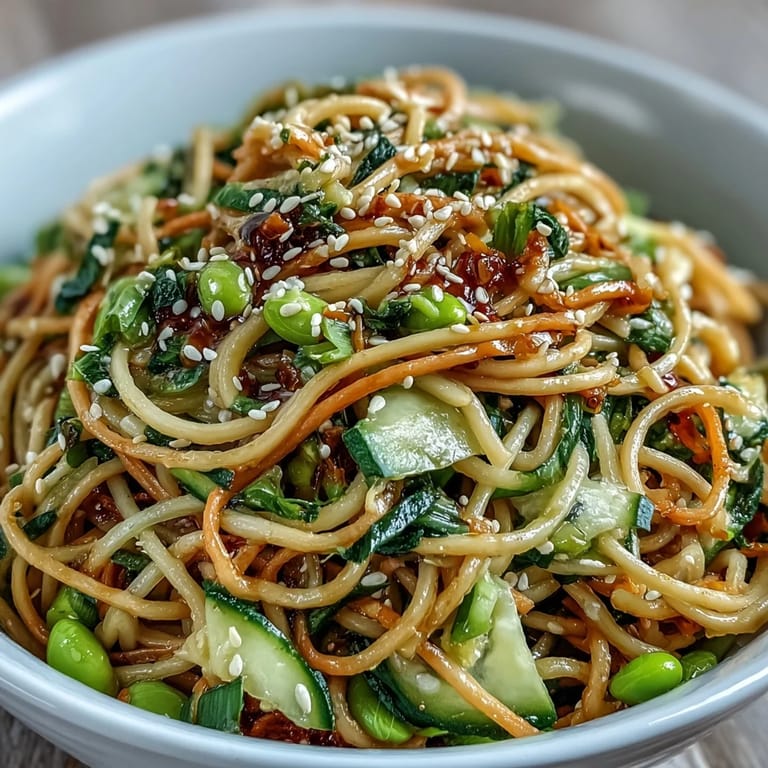
Save One summer afternoon, I was standing in my kitchen feeling the weight of the heat, completely uninspired by the thought of turning on the stove. My neighbor popped by with a bag of fresh edamame from her garden, and somehow that one ingredient sparked the idea for this bowl. The first time I mixed that creamy sesame-ginger dressing, the aroma of toasted sesame oil and fresh ginger cut right through my sluggish mood. Cold noodles had never felt so exciting, and by the time I'd arranged everything in a bowl with those vibrant ribbons of cucumber and carrot, I realized I'd accidentally created something I'd be making all summer long.
I made this for my book club one evening, and what started as a casual potluck contribution turned into the dish everyone kept circling back to. One friend actually asked if I'd used some kind of secret sauce from a restaurant, which honestly made my day. Watching people eat something cold and refreshing while we sat around talking made me realize this bowl had quietly become a celebration dish, the kind of food that brings people together without any fuss.
Ingredients
- Soba or rice noodles (300 g): These noodles stay tender when cold and have enough body to carry the dressing without turning mushy, though regular pasta works too if that's what you have.
- Cucumber (1 medium): Julienne it thin so it catches the dressing and adds a crisp snap that keeps every bite interesting.
- Carrots (2 medium): Sweet and naturally crunchy, they balance the savory depth of the sesame dressing beautifully.
- Edamame (1 cup): Cook them ahead and chill them completely so they stay bright green and firm, adding real protein to make this feel like a complete meal.
- Green onions (2): Save these for garnish so they stay fresh and sharp, giving you that little onion bite at the end.
- Toasted sesame seeds (2 tbsp): Toast them yourself if you can—store-bought are fine, but the ones you warm in a dry pan smell incredible and taste deeper.
- Tahini or peanut butter (3 tbsp): Tahini is the classic choice, but peanut butter works and actually makes the dressing richer if that's your preference.
- Soy sauce or tamari (2 tbsp): This is your umami backbone, so don't skip it or reduce it—use tamari if you're keeping things gluten-free.
- Toasted sesame oil (2 tbsp): Don't use regular sesame oil; get the toasted kind from the Asian aisle and measure carefully because it's potent in the best way.
- Rice vinegar (1 tbsp): The acidity keeps everything bright and prevents the dressing from feeling heavy on your tongue.
- Maple syrup or honey (1 tbsp): Just enough sweetness to round out the sharp corners of the ginger and soy.
- Fresh ginger (1 tbsp grated): Peel it first, then grate it on a microplane so you get fine shreds that dissolve into the dressing rather than chunky pieces.
- Garlic (1 clove): Mince it small so it distributes evenly through the dressing without overpowering anything else.
- Water (2-3 tbsp): Add this gradually to get the dressing to the right consistency—it should pour easily but not be watery.
Tired of Takeout? 🥡
Get 10 meals you can make faster than delivery arrives. Seriously.
One email. No spam. Unsubscribe anytime.
Instructions
- Boil your noodles until tender:
- Follow the package timing exactly, then drain and rinse under cold running water until they're completely cool and won't stick together. This step is worth doing right because cold noodles that have been shocked with cold water are the difference between a great bowl and a disappointing clump.
- Prep all your vegetables at once:
- Slice everything thin and uniform so it looks intentional when you serve it, and set it aside in separate little piles so you're ready to go when the dressing is done. Having everything prepped means you won't be fumbling around with a knife when you're hungry.
- Whisk the dressing until it's smooth:
- Start with the tahini, soy sauce, sesame oil, and vinegar, then add the maple syrup, ginger, and garlic, whisking as you go. Once it looks creamy, add water a tablespoon at a time until you can pour it without it clinging to the whisk—you want it to flow over the noodles.
- Toss the noodles with dressing first:
- Get them coated completely before you add the vegetables, so every strand gets some of that creamy sesame flavor. This is the moment where everything starts to feel like a real dish rather than just components in a bowl.
- Add the vegetables gently:
- Fold them in carefully so they stay vibrant and don't get crushed into the noodles, keeping that contrast between soft and crisp that makes eating this so satisfying. If you're making this ahead, you can toss the vegetables in just before serving.
- Garnish and serve:
- Top each bowl with green onions and toasted sesame seeds, and eat right away while everything is at its crispest and coldest. If you want to chill it further, do that before you add the garnish so those toppings stay fresh.
 Save
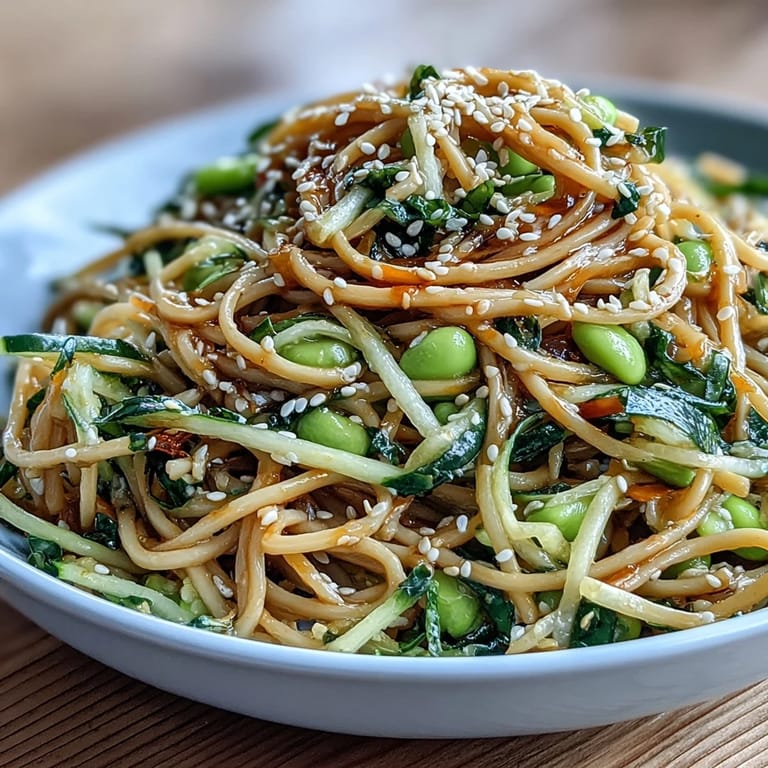
Save There's something magical about a bowl that tastes restaurant-quality but doesn't require any cooking skill or fancy equipment. This dish taught me that sometimes the simplest meals—cold noodles, crisp vegetables, and a really good sauce—are the ones people want to eat again and again.
Why Cold Noodles Win in Summer
When the weather turns warm, the last thing you want is steam rising from your dinner, and that's exactly why this bowl became my go-to. There's no oven heat, minimal stovetop time, and you're eating something that actually cools you down rather than heating you up. I've learned that serving food cold is almost a seasonality hack—it makes people feel nourished without feeling weighed down.
The Dressing is Everything
The magic of this bowl lives entirely in the sesame-ginger dressing, and once you understand how it works, you'll start putting it on everything. The combination of tahini and sesame oil creates this luxurious creaminess that doesn't need a drop of dairy, while the ginger and garlic keep it from being one-note. I've learned that when a recipe relies on one component this heavily, it's worth taking the extra 30 seconds to whisk it properly and taste it before committing to the rest.
Making It Work for Your Kitchen
This recipe is forgiving enough that you can swap almost every vegetable based on what looks good at the market, which means it never feels repetitive even when you make it weekly. The noodles can be soba, rice noodles, whole wheat pasta, or even spaghetti if that's genuinely what you have on hand. Once you've made it once, you'll realize this is the kind of blueprint you memorize rather than recipe you follow.
- Add grilled tofu, shredded rotisserie chicken, or even a soft-boiled egg if you want more protein on the table.
- If you can't find edamame or want something different, peas, snap peas, or thinly sliced bell peppers work beautifully.
- Make extra dressing because you'll want it for salads, roasted vegetables, and anything else that needs brightening up later in the week.
 Save
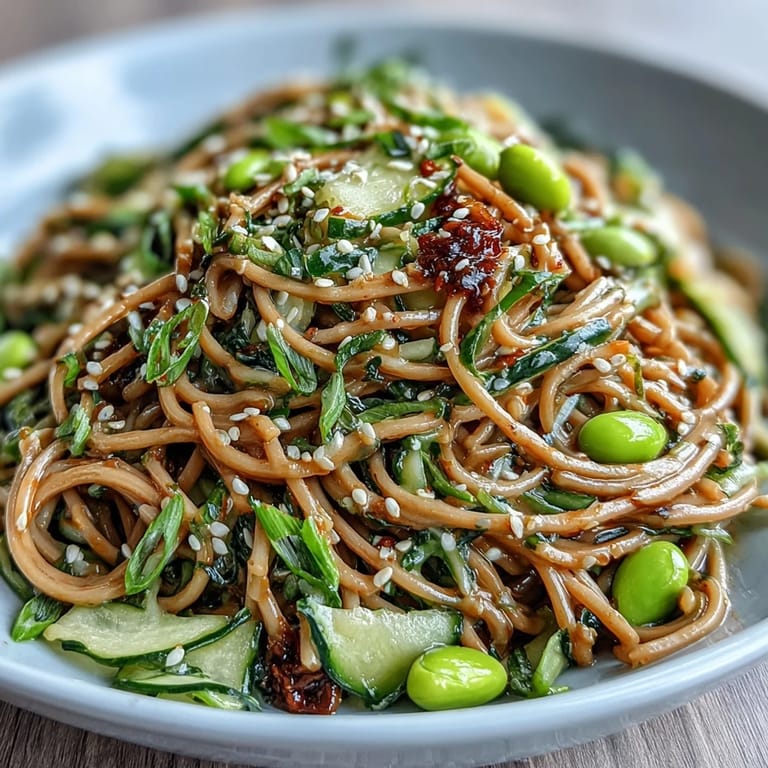
Save This bowl has become my answer to the question of what to make when you're tired but don't want to compromise on flavor. It's proof that some of the most satisfying meals come from understanding how a few good ingredients talk to each other.
Common Recipe Questions
- → What noodles work best in this dish?
Soba noodles or rice noodles are ideal as they absorb the dressing well and complement the fresh vegetables.
- → Can the dressing be made ahead?
Yes, the sesame-ginger dressing can be prepared in advance and stored in the refrigerator for up to three days.
- → How can I add more protein?
Incorporate baked tofu, shredded chicken, or extra edamame to boost the protein content without affecting the flavor balance.
- → Is the dish suitable for gluten-free diets?
Use tamari instead of soy sauce and confirm the noodles are gluten-free, like rice noodles, to ensure gluten-free compatibility.
- → What are good garnishes for extra flavor?
Toasted sesame seeds and sliced green onions add nuttiness and a mild sharpness that enhance the overall taste.
- → Can I make this dish spicy?
Yes, add chili flakes or sriracha to the dressing or sprinkle on top for a spicy kick.