 Save
Save My sister texted me on a random Thursday asking if I could pull together something for her book club that weekend, and my immediate thought was a sandwich board. There's something magical about setting out all these components and watching people's faces light up as they realize they get to build exactly what they want. No two sandwiches are ever alike, which somehow makes the whole thing feel less like serving food and more like hosting a small, delicious adventure on a platter.
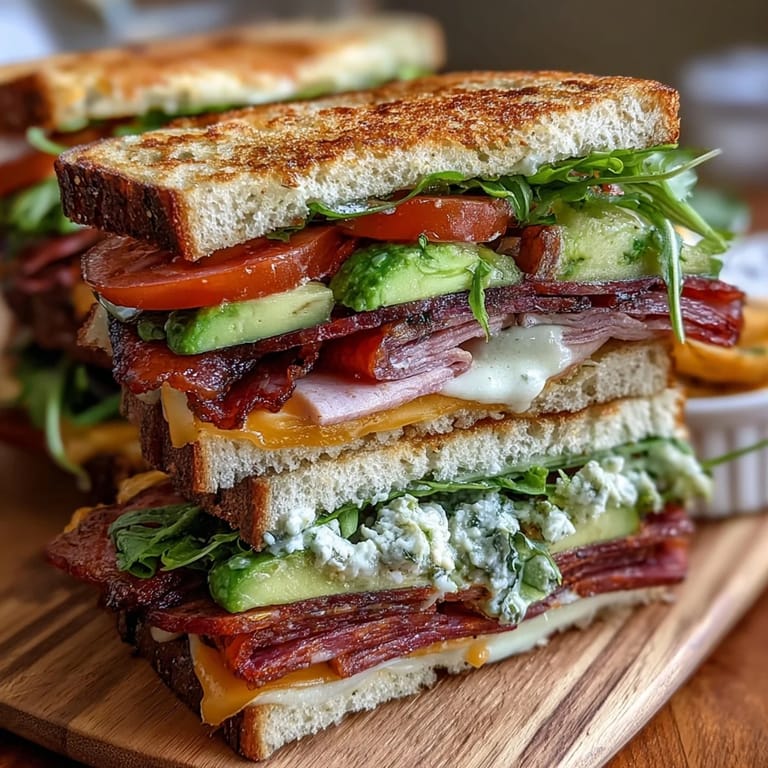
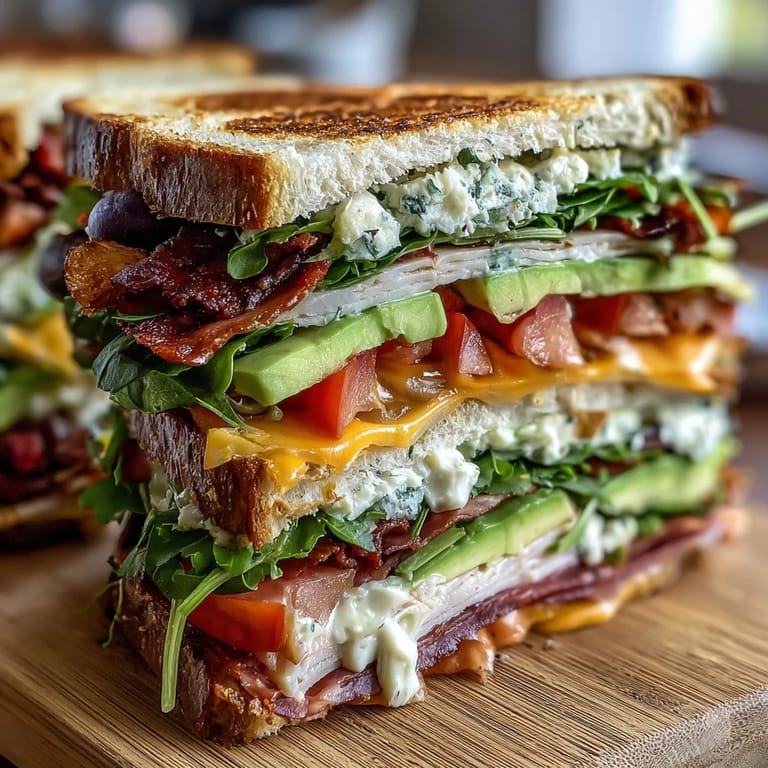
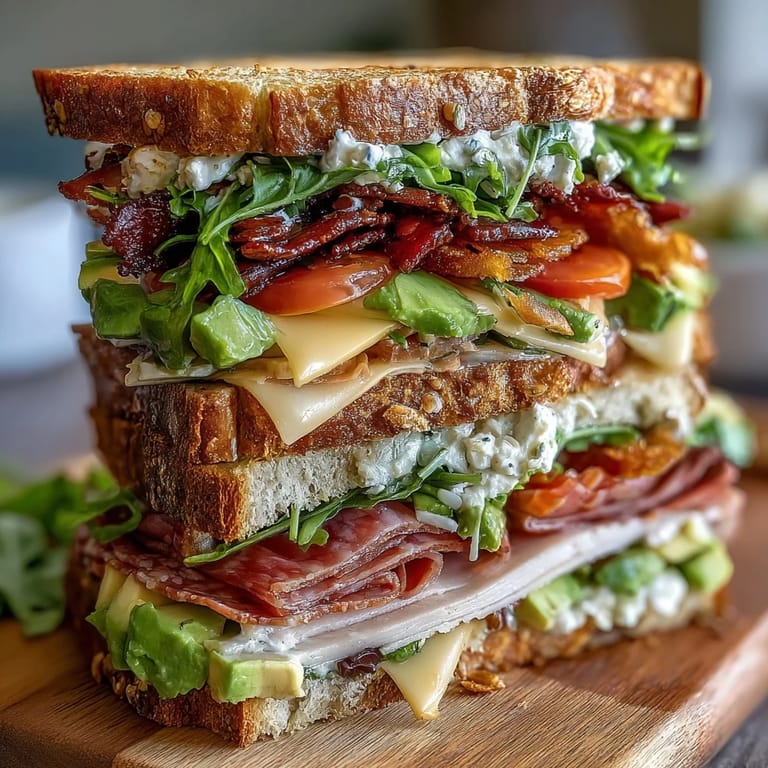
I'll never forget setting this up for a surprise lunch during a friend's last day at her job. She walked into her backyard, saw the board, and just stopped. Someone had built a sandwich with every single meat and vegetable on it, which made everyone laugh, and somehow that one ridiculous triple-decker became the most memorable part of the day. Food has this weird power to mark moments, and this board did exactly that.
Ingredients
- Ciabatta rolls: These have that perfect sturdy structure that won't fall apart under the weight of layers, plus their crispy crust gives way to an airy crumb that feels luxurious without being fussy.
- Whole grain sandwich rolls: They add nutritional substance and a slightly nutty depth that plays beautifully against creamy spreads and fresh vegetables.
- Sourdough bread: The tang cuts through rich deli meats and adds complexity that basic white bread just can't match, and it toasts beautifully if anyone wants their sandwich heated later.
- Smoked turkey breast: Lean enough that it won't overwhelm, but with enough smoky depth to anchor a sandwich without needing anything else.
- Honey ham: Sweet and salty at once, it's the crowd-pleaser that makes even the pickiest eaters find something they want.
- Roast beef: The meaty backbone that gives weight and richness to any sandwich that claims it.
- Salami: A little spice and funk that makes people sit up and pay attention, perfect for those who want their sandwich to have some attitude.
- Swiss, cheddar, and provolone cheeses: Three completely different personalities: Swiss is nutty and refined, cheddar is bold and familiar, provolone is creamy and slightly sharp, so everyone finds their match.
- Tomatoes and cucumbers: These are your freshness anchors, the vegetables that prevent the whole thing from feeling heavy and remind you that you're eating something alive and bright.
- Red onion: Thinly sliced, it adds a crisp bite and color that wakes up every layer it touches, though fair warning: it will perfume your hands for hours.
- Romaine lettuce: Sturdier than other lettuces so it won't wilt under condiments, with enough texture to add real substance.
- Baby spinach: A gentler green option for those who want vegetables without the assertive crunch of lettuce.
- Avocado: Creamy and luxurious, it makes any sandwich feel more upscale, though slice it close to serving time or it will brown.
- Dill pickle slices: The acid and brine that cuts through fat and makes every other flavor pop into focus.
- Mayonnaise, Dijon mustard, hummus, pesto, and honey mustard: Five completely different flavor doors to open, from classic tang to herbaceous richness to earthy creaminess.
- Black olives, banana pepper rings, and sun-dried tomatoes: These are the flavor wild cards that transform an ordinary sandwich into something memorable and personal.
Tired of Takeout? 🥡
Get 10 meals you can make faster than delivery arrives. Seriously.
One email. No spam. Unsubscribe anytime.
Instructions
- Start with the bread foundation:
- Arrange all your breads on a large board or platter, leaving breathing room between types so people can see what they're choosing. This visual clarity actually matters more than you'd think because half the fun is seeing your options laid out like edible architecture.
- Create a deli meat and cheese section:
- Group your sliced meats and cheeses in their own zones, slightly overlapped so they look abundant but organized. I learned the hard way that bunching everything together makes it harder for people to grab without pulling the whole pile, so give each meat and cheese its own small territory.
- Arrange vegetables and pickles thoughtfully:
- Use small bowls for items that release moisture like tomatoes and cucumbers, but you can pile lettuce, spinach, and onions directly on the board where people can grab them easily. The pickles and peppers look beautiful in a small serving dish rather than scattered, and that little bit of care shows.
- Set up spreads in their own dedicated space:
- Put each spread in its own small bowl with its own spreading knife or spoon, because nobody wants to accidentally mix hummus with their mayo. This one decision prevents the kind of condiment chaos that can derail an otherwise beautiful board.
- Gather and build:
- Invite everyone to choose their bread first, then layer it with meats, cheeses, vegetables, and spreads in whatever order makes them happy. Watch people's creativity emerge because someone will always find a combination you never thought of, which somehow always works.
- Serve or transport with care:
- If you're serving immediately, the board is ready to go. If you're heading to a picnic, cover the board tightly with plastic wrap and keep everything cool until you arrive, then let people assemble their sandwiches fresh so nothing gets soggy or warm.
 Save
Save There was a moment during that book club lunch when someone's elderly mother said that building her own sandwich felt like self-care, like the day was finally giving her choices after so long. It sounds dramatic, but in that instant I understood that these boards aren't really about efficiency or convenience, they're about agency and joy.
The Art of Board Arrangement
I've learned that the way you arrange a sandwich board is almost as important as what goes on it, because your eyes eat first. Grouping items by type creates visual calm and makes it easier for guests to navigate, while leaving white space between sections prevents the board from feeling chaotic or overwhelming. Think of it like a landscape: you want variety in height and color, with little valleys and peaks that guide the eye naturally from one section to the next. Flowers, yes. But also flowers where they breathe.
Making It Work for Different Diets
The beautiful thing about this setup is that it naturally accommodates vegetarians, vegans, and anyone with specific dietary needs without requiring separate boards or complicated accommodations. Just add a few extra vegetarian-focused options like grilled vegetables, marinated artichoke hearts, or plant-based deli slices, and suddenly the board feels inclusive rather than limiting. I once added roasted red peppers and crispy chickpeas to a board for a vegan friend, and three people who eat meat ended up making sandwiches with them because they looked so good.
Transforming Your Sandwich Board Beyond the Basics
After you've mastered the classic deli version, you can pivot this concept in endless directions depending on your mood and what you have available. The structure stays the same, but you can go Mediterranean with feta, olives, and tzatziki, or Italian with fresh mozzarella and basil, or even breakfast-for-dinner with bacon and scrambled eggs. The real lesson here is that a sandwich board is less a rigid recipe and more a template for generosity, which means you can make it your own.
- Add chips, fresh fruit, or pasta salad on the side to round out the meal into something that feels more complete and less like snacking.
- Chill your board and all components beforehand so everything stays fresh and crisp, especially important if you're serving during warm months.
- Consider dietary restrictions and allergies ahead of time, and if you're uncertain, ask your guests rather than guessing.
 Save
Save This board has become my answer to almost every gathering question because it says something about trusting people with their own choices, which feels increasingly rare. It's simple enough that you won't stress, but thoughtful enough that people feel genuinely welcomed.
Common Recipe Questions
- → What breads work best for this deli board?
Ciabatta rolls, whole grain sandwich rolls, and sourdough bread slices provide sturdy bases with varied textures.
- → How should the deli meats and cheeses be arranged?
Place each meat and cheese type separately in sections for easy selection and neat presentation.
- → Can I offer vegetarian options on this board?
Yes, include grilled vegetables, sliced hard-boiled eggs, or plant-based deli alternatives for non-meat eaters.
- → What condiments complement the sandwiches best?
Mayonnaise, Dijon mustard, hummus, pesto, and honey mustard create a range of flavors to suit different tastes.
- → How to keep the board fresh for outdoor events?
Prepare components in advance, cover, and refrigerate until ready to serve. Assemble at the picnic site if needed.
- → Are there suggested drink pairings?
Crisp Sauvignon Blanc or a light lager pair nicely with the variety of meats and cheeses on the board.