 Save
Save My kitchen smelled like a cinnamon factory the morning I decided to stop buying those expensive protein bagels from the café down the street. I'd been standing in line one too many times, watching the barista ring up eight dollars for something I was convinced I could make better at home. That afternoon, I mixed warm water with yeast and watched it foam up like a tiny science experiment, and honestly, I was hooked before the dough even came together.
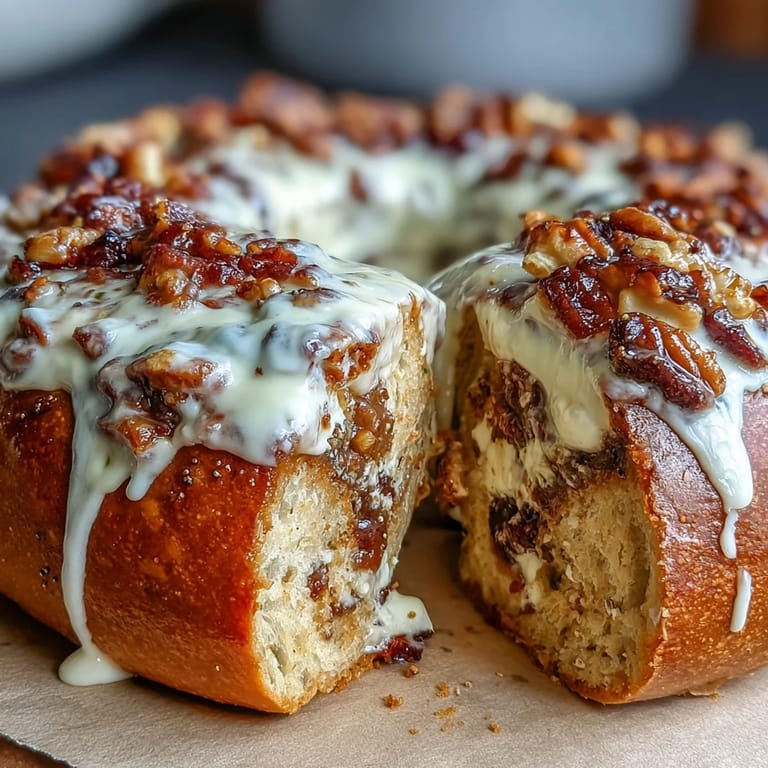
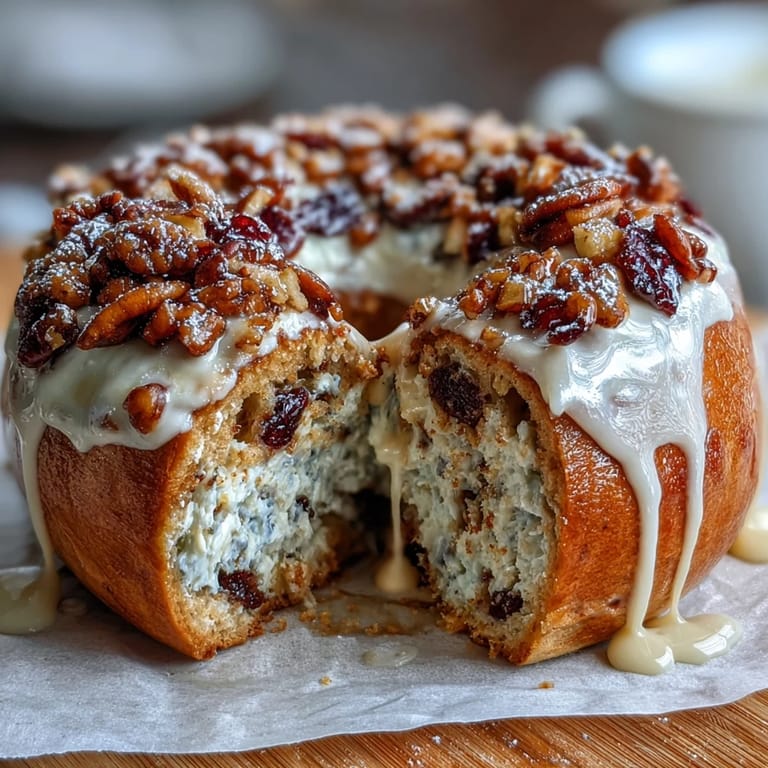
I made a batch of these on a lazy Sunday morning when my roommate wandered into the kitchen complaining about hunger. By the time the first batch came out of the oven, golden and steaming, she was leaning against the counter with her arms crossed, refusing to leave. We split one warm bagel with the glaze still dripping, and she went quiet for a moment—which, coming from her, felt like the highest compliment possible.
Ingredients
- Bread flour: This matters more than you'd think; it has more protein and gluten, which is what gives bagels that signature chew that all-purpose flour just can't deliver.
- Vanilla or unflavored whey protein powder: The secret weapon that adds real protein without making the dough taste like a gym smoothie—vanilla especially blends in seamlessly.
- Instant yeast: Don't skip the foaming step; it's your confirmation that everything is alive and ready to work.
- Warm water: Too hot and you'll kill the yeast; too cold and nothing happens—aim for the temperature of a warm bath.
- Honey or maple syrup: This feeds the yeast and adds subtle sweetness that the raisins and cinnamon echo.
- Ground cinnamon: Use the real stuff, not the dusty container that's been sitting since last year; it makes all the difference.
- Raisins: Plump them up slightly by soaking in warm water for five minutes if your kitchen is very dry—they'll stay moist inside the bagels.
- Greek yogurt for the glaze: The tanginess cuts through the sweetness in a way regular cream cheese never could.
Tired of Takeout? 🥡
Get 10 meals you can make faster than delivery arrives. Seriously.
One email. No spam. Unsubscribe anytime.
Instructions
- Wake up your yeast:
- Combine warm water, yeast, and honey in your bowl and let it sit for about five minutes—you'll see it get foamy and bubbly, which means the yeast is alive and ready to do its thing. This step is non-negotiable; it's your insurance that the dough will actually rise.
- Build the dough:
- Stir in the flour, protein powder, cinnamon, and salt until everything comes together into a shaggy, slightly messy dough. Don't worry about it being perfect yet; that's what kneading is for.
- Knead until smooth:
- Add the raisins and knead by hand or machine for eight to ten minutes, until the dough feels smooth and elastic, almost silky. If it's sticking to your hands or the bowl, sprinkle in a tiny bit more flour—you want it slightly tacky, not wet.
- Let it rise:
- Oil a bowl, plop the dough in, cover it with a damp cloth, and tuck it somewhere warm for about 45 minutes until it's roughly doubled in size. A sunny windowsill or the top of your refrigerator works great.
- Shape your bagels:
- Punch down the dough (which is oddly satisfying), divide it into eight equal pieces, and roll each into a ball. Poke a hole in the center with your thumb and gently stretch it into a bagel shape—think of it like a doughnut, but slightly thicker around the ring.
- Prepare the boiling water:
- Bring two quarts of water and a tablespoon of honey to a gentle boil in a large pot. The honey helps create that slightly glossy crust you see on real bagels.
- Boil the bagels:
- Working in batches so you don't overcrowd the pot, carefully drop bagels in and boil for 45 seconds on each side. Use a slotted spoon to flip them and retrieve them; they'll feel heavier when they're done because they've absorbed water.
- Bake until golden:
- Preheat your oven to 425°F and place the boiled bagels on a parchment-lined baking sheet. Bake for 18 to 20 minutes until the outside is golden brown and slightly crispy.
- Make the glaze:
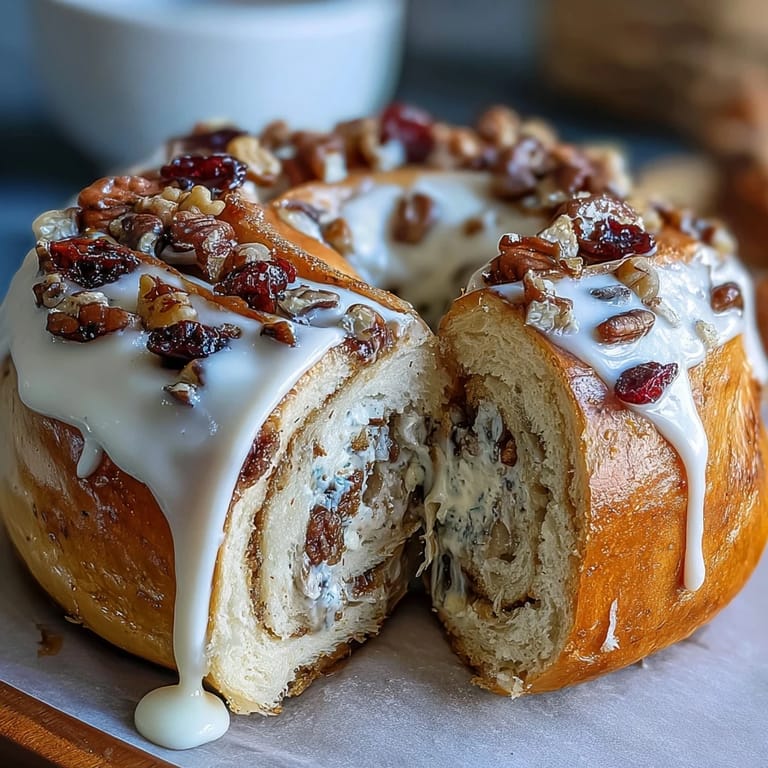
- While bagels cool, whisk together Greek yogurt, powdered sugar, vanilla extract, and a pinch of cinnamon until smooth. Drizzle it over the cooled bagels just before serving so it doesn't melt.
 Save
Save The moment that really changed things for me was when I realized my homemade bagels actually stayed chewy the next day, unlike store-bought ones that turn into hockey pucks by noon. I started making extra on weekends just to have them around, and suddenly I was the person bringing bagels to things instead of the person showing up empty-handed.
Why the Protein Powder Works
Adding whey protein to bagel dough sounds like it might taste weird, but here's the thing—it essentially replaces some of the flour while keeping the structure intact, and it makes the finished bagel noticeably more filling. The protein also helps the dough hold moisture better, which is why these stay soft even after a day or two in an airtight container. I've experimented with plant-based protein powders too, and they work, but vanilla whey blends in the most seamlessly without any aftertaste.
The Boiling Step Explained
Boiling bagels before baking is what separates them from regular bread rolls, and it's worth understanding why. When the dough hits the hot water, the outside sets slightly and creates that characteristic chewy crust, while the inside stays soft. The honey in the boiling water helps develop a subtle gloss and adds just a touch of flavor that baked-only bagels miss entirely.
Variations and Storage
Once you nail the basic recipe, you can swap in almost any dried fruit you have on hand—I've made versions with chopped dates, dried cranberries, and even diced apricots, and they're all delicious. Store cooled bagels in an airtight container or freezer bag at room temperature for a few days, or freeze them for up to a month and toast them straight from frozen. The Greek yogurt glaze is best made fresh, but you can store it covered in the fridge for a day if you're prepping ahead.
- Toast frozen bagels straight from the freezer for a fresh-baked taste without any thawing.
- Try swapping the raisins for dark chocolate chips mixed with cinnamon for a dessert-style bagel.
- The glaze also works beautifully on regular toast or as a dip for fresh berries if you have leftovers.
 Save
Save These bagels have become my answer to those mornings when I want something substantial but don't have time for a full breakfast production. A toasted bagel with that tangy Greek yogurt glaze and a strong cup of coffee is basically a complete meal that costs a fraction of what I used to spend at the café.
Common Recipe Questions
- → What gives these bagels their high-protein content?
The addition of vanilla or unflavored whey protein powder increases the protein level, making these bagels more nourishing without altering the texture.
- → Why are the bagels boiled before baking?
Boiling the bagels briefly helps develop their classic chewy crust and ensures a dense, well-structured crumb inside.
- → Can other dried fruits be used instead of raisins?
Yes, chopped dates or dried cranberries make excellent alternatives, offering similar sweetness and texture.
- → How does the Greek yogurt glaze complement the bagels?
The tangy and creamy glaze balances the warm cinnamon and sweetness of the dried fruit, adding a smooth finish.
- → What is the best flour to use for these bagels?
Bread flour is recommended for a chewier texture and better gluten development compared to all-purpose flour.