 Save
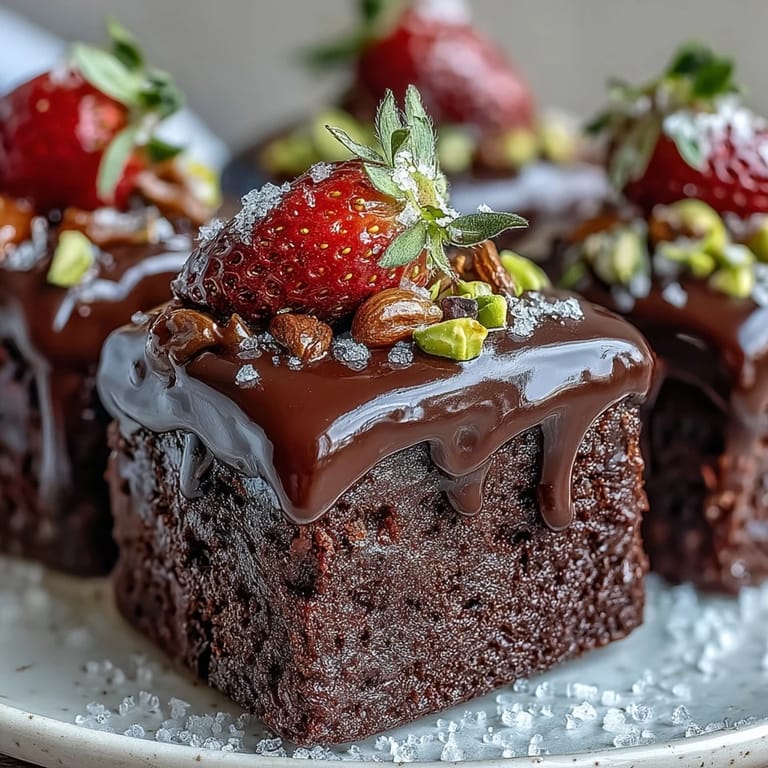
Save There's something about standing in a spice-scented kitchen at dusk, watching chocolate melt into liquid silk, that makes you feel like you're cooking somewhere exotic. I discovered this bark during one of those restless evenings when I wanted to create something that tasted like the Middle East feels—luxurious, a little unexpected, with the kind of textures that make you pause mid-bite. Dark chocolate, tart strawberries, pistachios that crunch just right, and a whisper of salt that changes everything. It became my answer to the question I kept asking myself: what if dessert could be both elegant and effortless?
I made this for the first time when my neighbor brought over homemade cardamom coffee on a Tuesday morning, and I suddenly felt obligated to offer something equally thoughtful in return. Spreading that warm chocolate onto the baking sheet while she watched from the counter, I realized I was making something that required almost no skill but looked entirely impressive. When she broke into a piece ten minutes later and actually closed her eyes, I understood—this bark is the dessert equivalent of a perfectly timed compliment.
Ingredients
- High-quality dark chocolate (400 g, 60–70% cocoa): This is where everything starts; choose chocolate you'd actually eat on its own because it becomes the foundation of every bite.
- Dried strawberries (80 g, sliced): They provide a tart brightness that keeps the bark from feeling heavy, plus they rehydrate slightly against the warm chocolate.
- Roasted pistachios (60 g, roughly chopped): Their subtle earthiness and natural sweetness create complexity; rough chopping means some pieces stay large enough to provide real crunch.
- Roasted almonds (40 g, roughly chopped): These add buttery depth and help balance the fruit's sharpness.
- Edible dried rose petals (1 tbsp, optional): A single tablespoon transforms this from good bark into something that tastes like a Dubai evening; skip it only if you genuinely dislike floral notes.
- Flaky sea salt (to taste): This small amount of salt amplifies every other flavor, especially the chocolate and strawberries.
Tired of Takeout? 🥡
Get 10 meals you can make faster than delivery arrives. Seriously.
One email. No spam. Unsubscribe anytime.
Instructions
- Prepare your stage:
- Line a baking sheet with parchment paper and have all your toppings measured and ready before you melt anything. Once chocolate hits that paper, you'll want to work quickly.
- Melt the chocolate carefully:
- Use a double boiler if you're nervous about heat, letting it get hot enough to melt chocolate but not so hot that it seizes into grainy sadness. If microwaving, work in 30-second bursts and stir between each—the chocolate will keep cooking even after you remove it from heat.
- Spread with confidence:
- Pour the melted chocolate onto parchment and use a spatula to push it into an even layer about half a centimeter thick; don't overthink it, some variation in thickness is actually welcome.
- Top immediately while warm:
- This is the moment where your kitchen becomes a canvas—sprinkle strawberries, pistachios, almonds, and rose petals all over the chocolate before it starts setting. Lightly press them down so they stick rather than sliding around.
- Finish with salt:
- A pinch of flaky salt across the whole thing takes it from sweet to sophisticated in one generous scatter.
- Let time do the work:
- Room temperature setting takes about thirty minutes and tastes better than rushed refrigeration, but if you're impatient, fifteen to twenty minutes in the cold will do. You'll know it's ready when you can break a piece without it bending.
- Break and store:
- Once completely set, snap it into irregular pieces—jagged edges actually catch light beautifully. Keep it in an airtight container at room temperature where it'll stay perfect for a week.
 Save
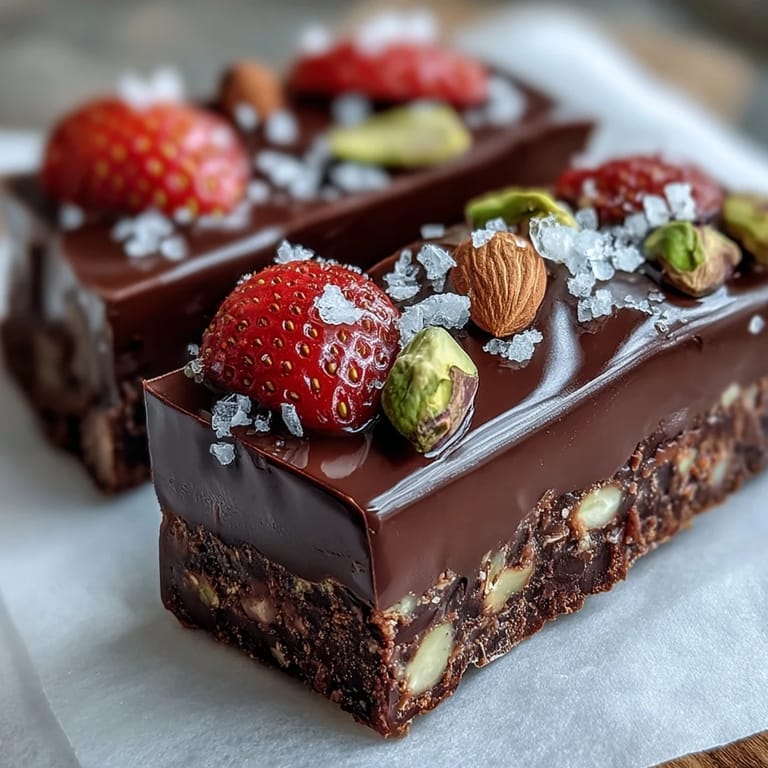
Save There was a moment, standing in my kitchen with pieces of this bark scattered across the counter, when I stopped thinking about it as just a recipe and started thinking about it as something I could actually give people. That shift—from cooking to creating something meaningful—is when I knew it belonged in my regular rotation.
Choosing Your Chocolate Wisely
The chocolate percentage genuinely matters here in a way it doesn't always in baking. Sixty percent cocoa gives you richness without bitterness, while seventy percent adds a sophisticated edge that makes the strawberries taste brighter. If you've only ever used chocolate chips from a grocery store bag, this is your moment to try something better—find a chocolate that lists real cocoa butter and cocoa solids, not vegetable oil. The difference is subtle but real, like the difference between a good leather jacket and a great one.
The Nut Component and Texture
Rough-chopping your nuts instead of finely mincing them changes the entire eating experience. You want pieces big enough to crunch, small enough to not dominate, which usually means broken halves and quarters rather than dust. I always taste-test my pistachios and almonds before adding them because stale nuts won't ruin bark, but they'll definitely make you wonder why you bothered. Roasted nuts from a good source already have their moment of peak flavor, so you're just bringing that out by using them here.
Variations, Storage, and Serving
This bark welcomes experimentation once you understand the basic structure. Freeze-dried strawberries will give you extra crunch and sharper flavor, while dried apricots or figs create something entirely different but equally luxurious. Store it in an airtight container away from heat and humidity, and it genuinely lasts a week, though mine never does because people keep finding reasons to have just one more piece. Pair it with Arabic coffee, mint tea, or even sparkling wine—it's adaptable that way.
- For a sweeter version, blend milk and dark chocolate fifty-fifty, which softens the edges without losing sophistication.
- Rose petals aren't required, but they transform the bark from delicious to memorable, so consider them more than optional.
- Break this into pieces the day you plan to serve it rather than days ahead; the texture stays crispier that way.
 Save
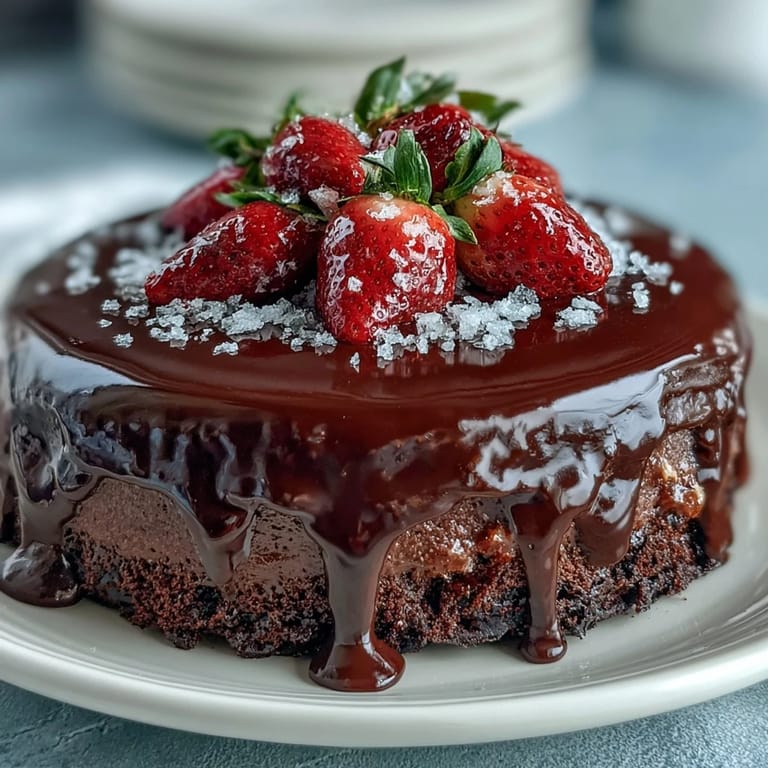
Save This bark exists in that perfect space where effort and reward feel beautifully mismatched—you'll look like you've mastered something complicated while actually just letting chocolate and patience do the heavy lifting. Make it once and you'll find yourself making it again, for yourself, for people you love, for Tuesday mornings and Friday celebrations alike.
Common Recipe Questions
- → What chocolate works best for this dessert?
High-quality dark chocolate with 60-70% cocoa content offers a rich and smooth base that complements the fruity and nutty toppings perfectly.
- → Can I substitute the dried strawberries with other fruits?
Yes, freeze-dried strawberries offer added crunch, or dried apricots and figs provide delightful variations in flavor and texture.
- → How should I melt the chocolate to avoid burning?
Use a double boiler method by placing a heatproof bowl over simmering water and stirring until smooth, or microwave in short bursts, stirring frequently.
- → Is it necessary to refrigerate the bark to set it?
Setting at room temperature for 30 minutes is sufficient, but refrigeration for 15-20 minutes speeds up the process and helps firm the chocolate.
- → What optional garnish can enhance the Middle Eastern flair?
Edible dried rose petals add a subtle floral note and elegant appearance, enhancing the treat's regional inspiration.