 Save
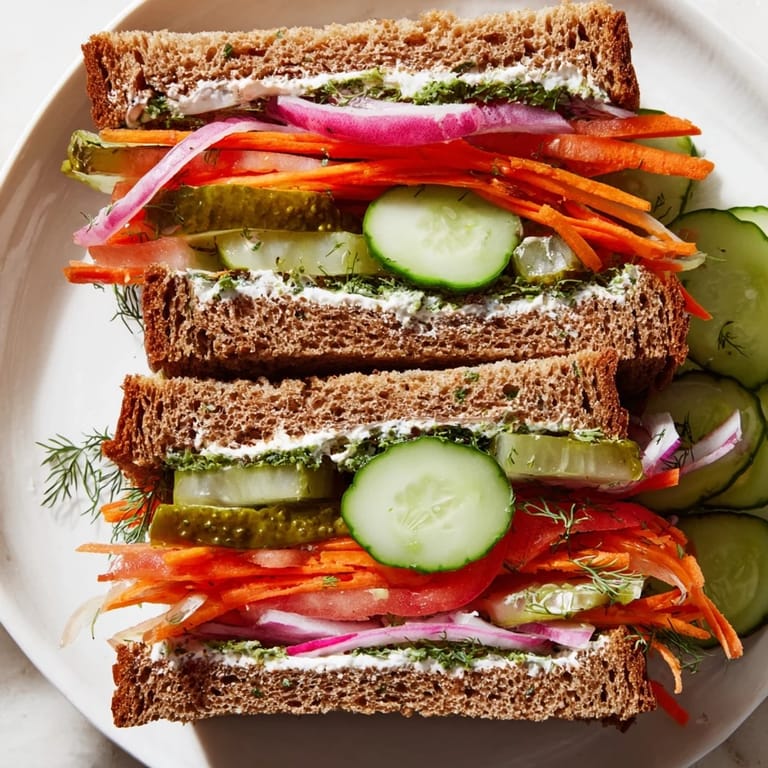
Save There's something about the sound of a jar of pickles opening that makes me smile—it's like a tiny celebration before lunch even starts. Years ago, my neighbor brought over a jar of homemade dill pickles from her garden, and I was convinced they'd only belong in a relish tray or snacked straight from the jar. But then one afternoon, I piled them onto a sandwich with cream cheese and fresh dill, and suddenly everything clicked. That first bite was a revelation: the crunch, the brine, the brightness all working together. Now this sandwich is my go-to when I want something that feels both simple and special.
I made this for my sister during one of those rushed weekday lunches when we both needed something quick but didn't want to settle for sad desk food. She was skeptical about the amount of pickle, which made me laugh because I'd been waiting for someone else to understand the assignment. Watching her take that first bite and then immediately make a second sandwich told me everything I needed to know about whether I was onto something good.
Ingredients
- Hearty whole grain or sourdough bread, 4 slices: The foundation matters here—you want something sturdy enough to hold all these juicy vegetables without collapsing, and toasting it adds a gentle crispness that contrasts beautifully with the tender vegetables.
- Dill pickle slices, 1 cup plus extra: This is where the magic lives; don't skimp or substitute with bread-and-butter pickles, as the dill flavor and sharp brine are essential to the whole vibe.
- Cucumber, 1 small, thinly sliced: Fresh cucumber adds a clean crispness that echoes the pickle without repeating it, creating nice textural layers.
- Carrot, 1 small, julienned: A thin julienne gives you delicate strands that catch the creamy spread and add a subtle sweetness that balances the tang.
- Red onion, ½, thinly sliced: Raw red onion brings a sharp, peppery bite that wakes up your palate with each bite.
- Shredded lettuce, ½ cup: Lettuce acts as a gentle buffer between bread and wet ingredients, keeping everything from turning soggy too quickly.
- Tomato, 1 medium, thinly sliced: Slice it thin so it distributes evenly and doesn't create heavy wet spots that could compromise the sandwich structure.
- Cream cheese, 3 tbsp: The richness of cream cheese becomes a canvas for the dill and mustard, creating a spread that feels both luxurious and bright.
- Mayonnaise or vegan mayo, 1 tbsp: This is your moisture insurance; it keeps the spread spreadable and adds a subtle richness.
- Fresh dill, 1 tbsp chopped: Fresh dill is non-negotiable—dried dill will taste dusty and won't give you that garden-fresh flavor that makes this sandwich sing.
- Dijon mustard, 1 tsp: A small amount provides sharp depth without overpowering, adding complexity to the spread.
- Garlic powder, ½ tsp: This quietly enhances all the other flavors without announcing itself, like a good friend who listens more than talks.
- Freshly ground black pepper, to taste: Fresh ground makes all the difference; pre-ground pepper tastes tired by comparison.
- Pickled jalapeños, 2 tbsp sliced (optional): For those days when you want the sandwich to talk back a little, these add heat and vinegar brightness.
- Alfalfa or broccoli sprouts, 2 tbsp (optional): Sprouts bring delicate crunch and a peppery note if you're using broccoli, or mild freshness with alfalfa.
Tired of Takeout? 🥡
Get 10 meals you can make faster than delivery arrives. Seriously.
One email. No spam. Unsubscribe anytime.
Instructions
- Make the spread:
- Combine cream cheese, mayo, fresh dill, Dijon mustard, garlic powder, and black pepper in a small bowl, stirring until the mixture is completely smooth with no visible cream cheese lumps. This spread should taste bright and slightly sharp, with the dill perfuming every spoonful.
- Toast your bread:
- Slide your bread slices into the toaster or onto a skillet, aiming for that sweet spot where they're crispy enough to provide structure but still have some gentle give. You want contrast, not croutons.
- Spread generously:
- Use a knife to apply the mixture to one side of each bread slice, covering the surface evenly so every bite gets the full flavor profile. Don't be timid here.
- Layer the pickles:
- Arrange dill pickle slices on two of your bread slices in a single, slightly overlapping layer that covers the surface. These are the stars, so let them shine.
- Build the vegetables:
- Add cucumber slices next, followed by carrot julienne, then red onion, lettuce, and finally tomato slices, seasoning the tomato lightly with salt and pepper as you go. Layering in this order lets each vegetable maintain its integrity while preventing sogginess.
- Top with extras if you like:
- If you're using pickled jalapeños or sprouts, scatter them across the vegetable layer now, aiming for even distribution.
- Close and serve:
- Place the remaining bread slices on top, spread-side down, then press gently to help everything settle together. Slice each sandwich in half, secure with a toothpick if it feels wobbly, and serve right away while everything is still crisp.
 Save
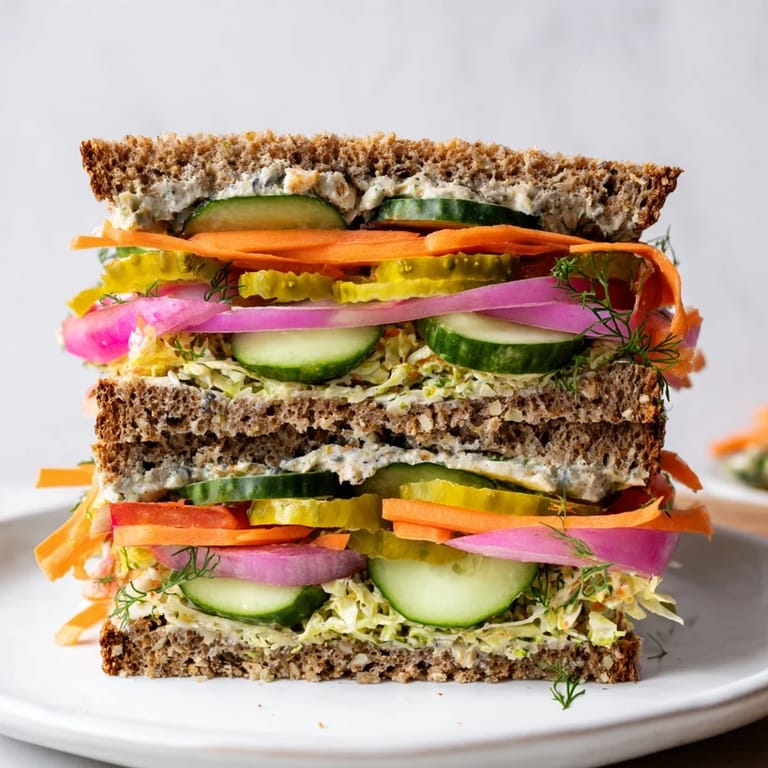
Save There was one evening when my partner came home frustrated from work, and I silently made two of these sandwiches and set them on the table with cold water and no commentary. Sometimes the best meals are the ones that say I'm thinking of you without any words at all.
The Art of the Pickle Sandwich
Pickle sandwiches sit at this interesting intersection of simple and sophisticated—they're humble enough to throw together on a Tuesday, yet sophisticated enough that you'd serve them without apology at a lunch gathering. The key is understanding that you're not trying to hide the pickles or balance them with other heavy flavors; you're celebrating them. Everything else is in service of making the pickles taste even more like themselves. That cream cheese spread becomes a flavor amplifier rather than a mask, the fresh vegetables become echoes rather than competitors, and the bread becomes a vehicle rather than the main event.
Bread Selection Matters More Than You Might Think
I've made this sandwich on white bread, rye, pumpernickel, focaccia, and even a sturdy ciabatta, and each version tells a slightly different story. Whole grain or sourdough is ideal because they have enough structure and flavor to stand up to all those tangy, assertive ingredients without getting bullied or soggy. If you're feeling adventurous, rye or pumpernickel brings a classic deli energy that pairs beautifully with pickles, adding an earthy undertone. Whatever you choose, make sure it's fresh enough to slice cleanly but sturdy enough that toasting it won't turn it into something brittle and unpleasant. The bread is doing real work here, not just holding things together.
Making This Sandwich Work for Everyone
One of my favorite things about this sandwich is how flexible it is without losing its identity. Swap the cream cheese for vegan cream cheese and the mayo for vegan mayo, and suddenly it's plant-based without requiring any other changes. Add kettle-cooked chips if you want more crunch, or skip the tomato if you're not feeling it on a particular day. The structure is solid enough that it can handle substitutions without falling apart. Keep the pickles, keep the dill spread, keep the fresh vegetables, and everything else is just you making the recipe your own.
- If you're bringing this to lunch, assemble it in the morning but wrap it loosely so the bread stays crisp and the vegetables don't steam themselves into mush.
- For a cold lager or crisp lemonade pairing, this sandwich absolutely sings—the acidity matches the brightness and cuts through the creaminess.
- Leftover spread keeps beautifully in the fridge for three days, so make extra and use it on other sandwiches or as a vegetable dip.
 Save
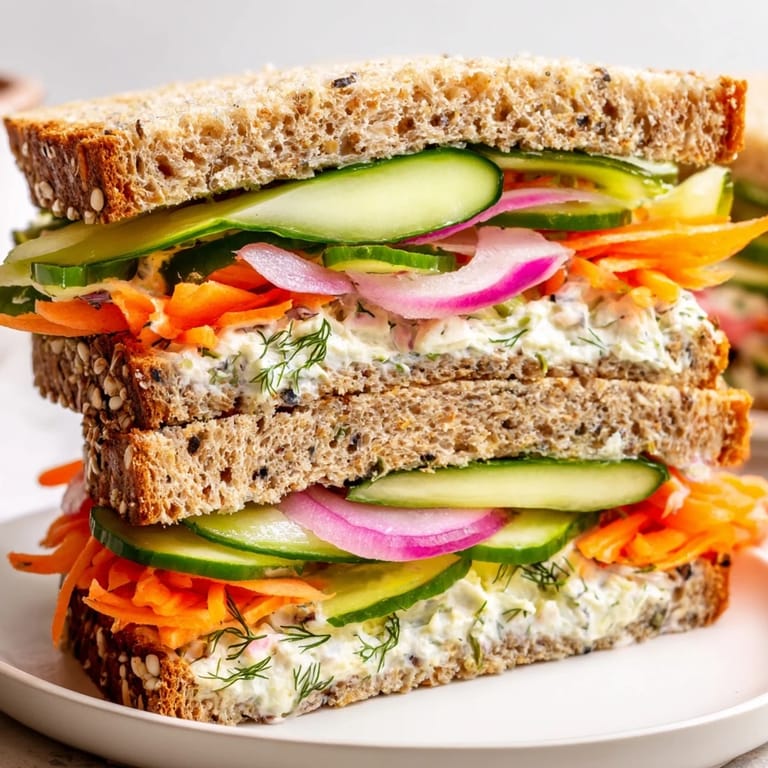
Save This sandwich has become my reminder that the best food doesn't need to be complicated or time-consuming to feel genuinely nourishing. Sometimes the most satisfying meals are the ones where you're tasting fresh, honest ingredients working together exactly as they should.
Common Recipe Questions
- → What type of bread works best?
Hearty whole grain or sourdough bread enhances texture and flavor, but rye or pumpernickel make great alternatives.
- → Can the creamy spread be made vegan?
Yes, substituting vegan cream cheese and vegan mayonnaise creates a fully plant-based spread without losing creaminess.
- → How can I add extra crunch?
Including kettle-cooked potato chips inside adds a delightful crunch, balancing the soft and crisp ingredients.
- → What fresh herbs are included in the spread?
Chopped fresh dill is mixed into the cream cheese blend for a bright and aromatic taste.
- → Are there optional ingredients to enhance flavor?
Yes, pickled jalapeños and alfalfa or broccoli sprouts can be added for extra zest and texture.