 Save
Save There's something about the smell of sautéed celery and onion that instantly transports me back to my grandmother's kitchen in Florence, where she'd be stirring a pot of soup while humming along to the radio. One afternoon, I watched her toss in handfuls of kale and beans without measuring anything, and I realized she wasn't following a recipe at all—she was cooking by feel, by season, by what grew in her garden that week. When I finally recreated it in my own kitchen years later, I understood why she never wrote it down: some dishes teach you more about cooking than any instructions ever could.
I made this soup on a cold Tuesday night when a friend texted that she was having the kind of day where nothing felt right, and I knew exactly what she needed. Twenty minutes after she arrived, we were sitting at my kitchen counter with steaming bowls between us, and she went quiet for a moment—not sad, just present. By the time she left, the pot was nearly empty, and she took the last bit home in a container, saying it tasted like being taken care of.
Ingredients
- Olive oil: Use a good one for sautéing (the regular kind), and save the really good stuff for drizzling at the end when people can actually taste it.
- Yellow onion, carrots, and celery: This trio is the holy trinity of Italian cooking—they form the base of everything, and the longer you let them soften, the deeper the flavor becomes.
- Garlic: Mince it fine and add it after the softer vegetables so it doesn't burn and turn bitter on you.
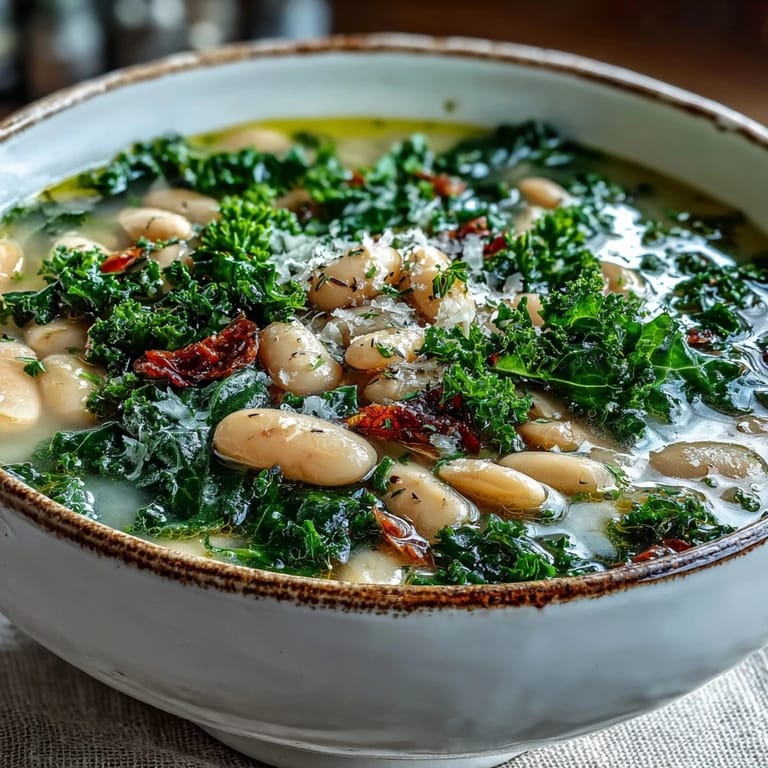
- Kale: Remove those tough stems or your mouth will regret it; the leaves should be tender enough to cut with a spoon by the time you eat the soup.
- Cannellini beans: Always drain and rinse canned beans to remove the starchy liquid that can make the soup cloudy and overly thick.
- Vegetable broth: Low-sodium is key because you'll be seasoning as you go, and you don't want to end up with something too salty to fix.
- Thyme and rosemary: Dried herbs are fine here since they'll have time to release their flavor, but fresh rosemary has a brighter quality that's worth using if you have it.
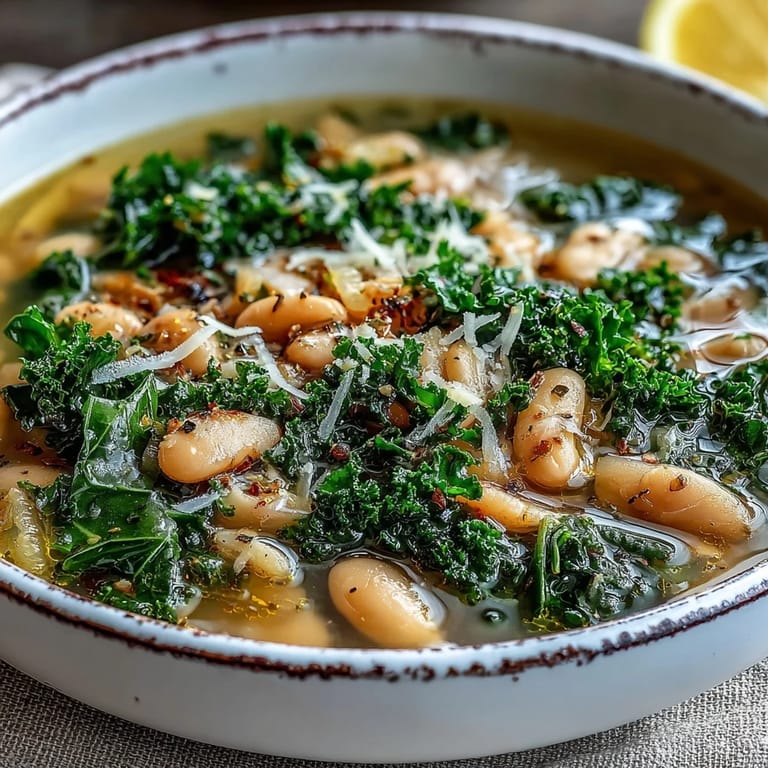
- Lemon zest and juice: This is where the magic lives—don't skip it or use bottled lemon juice, which tastes hollow compared to the real thing.
- Parmesan cheese: The salty nuttiness rounds out the soup and gives it a finishing touch that makes it feel intentional.
Tired of Takeout? 🥡
Get 10 meals you can make faster than delivery arrives. Seriously.
One email. No spam. Unsubscribe anytime.
Instructions
- Build your base with the softer vegetables:
- Heat the olive oil in a large pot over medium heat and add the onion, carrots, and celery. Let them sauté for 6 to 8 minutes, stirring now and then, until they're soft and starting to turn golden at the edges—this is when they release their sweetness and create the foundation everything else rests on.
- Wake up the garlic:
- Add the minced garlic and let it cook for just one minute until it becomes fragrant and golden. You're looking for that moment right before it would start to brown, which is when its flavor is brightest.
- Wilt the kale:
- Stir in all the chopped kale and watch it transform from a large, intimidating pile into something tender and manageable over the course of 2 to 3 minutes. The heat will soften it considerably, which is exactly what you want.
- Bring it all together:
- Add the drained cannellini beans, vegetable broth, water, thyme, rosemary, bay leaf, and red pepper flakes if you like a whisper of heat. Season with salt and pepper, remembering you can always add more but you can't take it back.
- Let it simmer:
- Bring everything to a boil, then turn the heat down to a gentle simmer and let it bubble quietly for about 20 minutes, stirring occasionally so nothing sticks to the bottom. You're not trying to reduce it aggressively—you're just letting the flavors get to know each other.
- Create the creamy element:
- This is the step that feels like cheating but isn't: scoop out about a cup of soup with beans and mash it against the side of the pot with the back of a spoon, or pour it into a blender, give it a quick pulse, and return it. This thickens the broth naturally without cream or cornstarch, and the texture becomes luxurious.
- Finish with brightness:
- Stir in the lemon zest and fresh lemon juice, then let it simmer for just 2 more minutes so the flavors can marry. Taste it now and adjust the salt and pepper until it sings.
- Serve with intention:
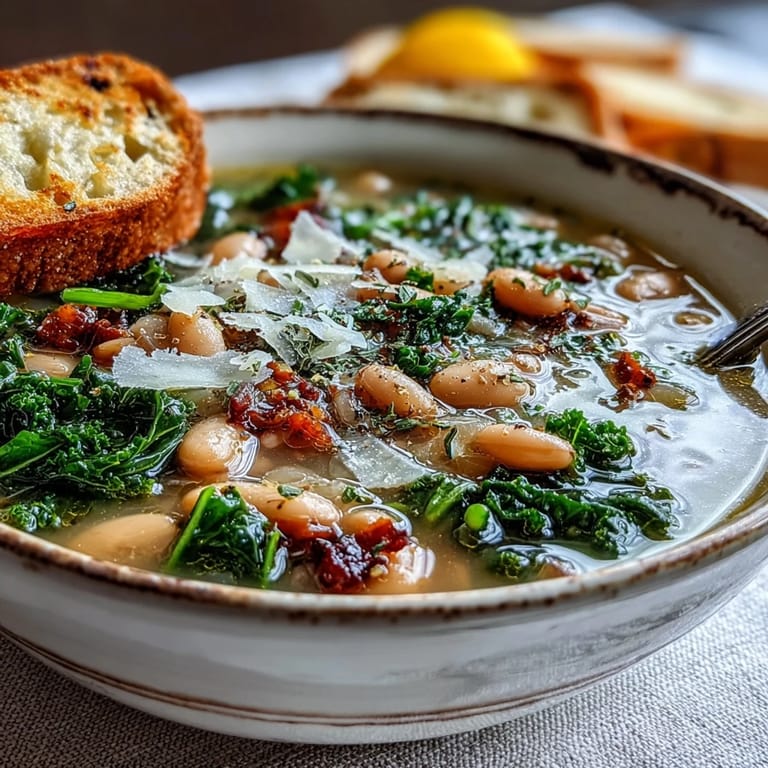
- Remove the bay leaf, ladle the soup into bowls, and top each one with a small handful of grated Parmesan and a generous drizzle of your best olive oil. This final touch isn't just decoration—it's where the soup transitions from simple to memorable.
 Save
Save My neighbor came over one evening when the soup was simmering, and she stood in my doorway just inhaling, not saying anything at first. When I finally handed her a bowl, she took one bite and her eyes got watery—not because anything was wrong, but because it reminded her of somewhere she felt safe a long time ago. That's when I understood that the best soups don't just feed your body; they feed something deeper.
Why This Soup Works in Any Season
In winter, it's exactly what you need on a dark afternoon when you want something warm and grounding that takes less than an hour to make. In spring, the lemon brightness feels like you're eating sunshine, and you can use fresh herbs from the garden if you have them. Summer is when I add extra water and chill it slightly for a lighter version, and in fall, I'll add a splash of white wine and maybe some diced tomato to make it earthier. The skeleton of this recipe adapts beautifully to whatever season you're in, which is why it's become something I make constantly without ever getting tired of it.
The Power of Proper Seasoning
I used to make this soup and wonder why it never tasted quite right, and then I realized I was seasoning everything at once and not tasting as I went. Now I taste it at every stage—before the beans go in, after the broth is added, and again right before serving. Salt doesn't just make things salty; it amplifies flavors, and the lemon juice needs salt to really shine through. Once I started being intentional about seasoning, this soup went from good to the kind of thing people ask you to make again.
Simple Variations That Feel Like New Recipes
The beauty of this soup is that it's flexible without losing its soul. You can swap the kale for spinach or chard depending on what's in your crisper drawer. Add a can of diced tomatoes if you want it earthier, or leave them out if you prefer it to stay bright and clean. Some nights I'll add a handful of small pasta shapes right before serving, or stir in a can of white beans instead of cannellini for a slightly different texture. Here are a few directions you can take it:
- Drizzle with truffle oil and top with crispy sage leaves for a fancier version that works for dinner parties.
- Add cooked Italian sausage or pancetta if you want it heartier, stirring it in at the very end so it stays flavorful.
- Make it completely vegan by using vegetable broth and skipping the Parmesan, or using nutritional yeast for a cheesy flavor without the dairy.
 Save
Save This is the kind of soup that teaches you something about yourself as a cook, not because it's complicated, but because it's honest. Make it once and you'll understand why people have been making versions of it for generations.
Common Recipe Questions
- → How can I make this dish vegan?
Omit the Parmesan cheese or use a plant-based alternative to keep the dish vegan without sacrificing flavor.
- → Can I substitute kale with another green?
Baby spinach works well as a milder, tender alternative to kale and cooks quickly.
- → What is the purpose of mashing some beans in the soup?
Mashing part of the beans creates a creamier texture by thickening the broth without adding cream.
- → Which herbs best complement the flavors here?
Thyme and rosemary add earthy, aromatic notes that enhance the savory profile of the beans and vegetables.
- → Can this dish be prepared ahead of time?
Yes, it stores well in the refrigerator for a few days and flavors deepen upon resting.