 Save
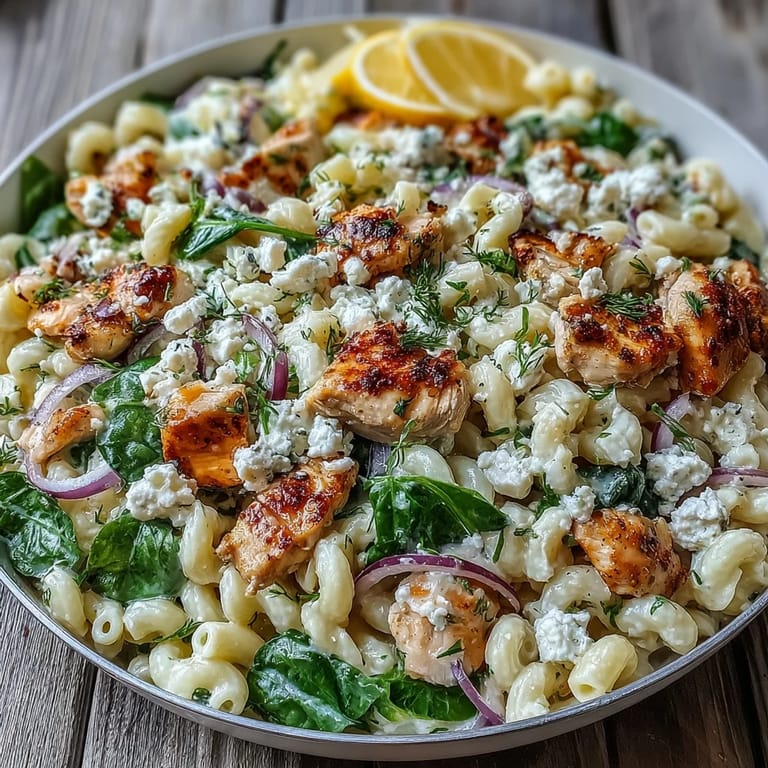
Save There's something about cooking in a single skillet that makes dinner feel less like a chore and more like an experiment you're actually excited about. One weeknight, I was staring down a package of chicken and some feta that needed using, and I thought: what if I stopped fighting the Mediterranean flavors and just leaned into them? That yogurt-based sauce came together almost by accident, but the moment the lemon hit it, everything clicked into place. This is the kind of dish that tastes like you've been planning it all day, even when you've been winging it entirely.
I made this for my sister on a random Tuesday when she needed cheering up, and watching her face when she tasted how bright and balanced it was—tangy but creamy, rich but not overwhelming—made me realize this wasn't just a weeknight dinner, it was a little gift you could put on a plate. She asked for the recipe before she'd even finished eating, which is always the best kind of compliment.
Ingredients
- Boneless, skinless chicken breast: Cut into bite-sized pieces so it cooks through quickly and absorbs all those beautiful flavors without drying out.
- Short pasta (penne, fusilli, or rigatoni): The curves and ridges grab onto the sauce, so each bite feels intentional—avoid long pasta here or you'll be chasing flavor with every forkful.
- Feta cheese: Crumbled just before adding creates these little pockets of tang and saltiness that wake up your palate.
- Plain Greek yogurt: Use full-fat if you can find it; the creaminess matters, and the tang is essential to balancing all the other flavors.
- Fresh baby spinach: It wilts down dramatically, so three cups isn't as much as it looks, and it adds earthiness without competing with the lemon and oregano.
- Red onion: Thinly sliced so it softens into the background rather than announcing itself, though you'll still catch its subtle sweetness.
- Garlic: Two cloves is enough to be present without overwhelming—this isn't a garlic-forward dish, it's more of a supporting player.
- Lemon zest and juice: The zest is actually more important than you'd think; it carries flavor the juice alone can't quite manage, so don't skip it.
- Low-sodium chicken broth: This keeps the pasta tender and gives the sauce something to cling to without making it watery.
- Olive oil: Use something you'd actually taste, not the bargain bottle; it's a main flavor here, not just a cooking medium.
- Dried oregano: The Mediterranean backbone of the whole thing, bringing warmth and that dried-herb comfort.
- Dried dill (optional): If you use it, it adds a gentle floral note that makes people ask what that subtle something is.
- Red pepper flakes (optional): A whisper of heat at the end balances the richness beautifully.
Tired of Takeout? 🥡
Get 10 meals you can make faster than delivery arrives. Seriously.
One email. No spam. Unsubscribe anytime.
Instructions
- Get the pasta going:
- Boil a large pot of salted water—it should taste like the sea—and cook your pasta to al dente, which means it still has a tiny bit of resistance when you bite it. Reserve half a cup of that starchy water before draining; it's liquid gold for loosening sauce later.
- Brown the chicken:
- Heat olive oil in your skillet over medium-high heat until it shimmers, then add the chicken pieces in a single layer so they actually brown instead of steaming. Season with salt, pepper, oregano, and dill, letting them cook undisturbed for a few minutes so they develop that golden crust.
- Build the aromatics:
- Once the chicken is cooked through and removed to a plate, use that same skillet—don't wash it, all those browned bits are flavor—to soften the red onion and garlic for a couple minutes until they're fragrant and tender.
- Wilt the spinach:
- Watch how quickly it goes from a pile of leaves to something that fits in your spoon; it only takes about a minute, and you don't want it turning dark and sad.
- Bring it all together:
- Lower the heat to medium-low, then add back the pasta and chicken along with the lemon zest, juice, and broth, stirring gently so everything gets coated and warm. This is when the dish starts becoming something greater than its individual parts.
- Create the creamy sauce:
- Remove from heat and fold in the Greek yogurt and feta gently—you're not trying to emulsify it into submission, just create pockets of creaminess and tang throughout. If it looks too thick, add that reserved pasta water in small splashes until it's silky without being soupy.
- Season to taste:
- Taste it, adjust with salt and pepper, add red pepper flakes if you want a gentle warmth, then serve immediately while it's still steaming.
 Save
Save  Save
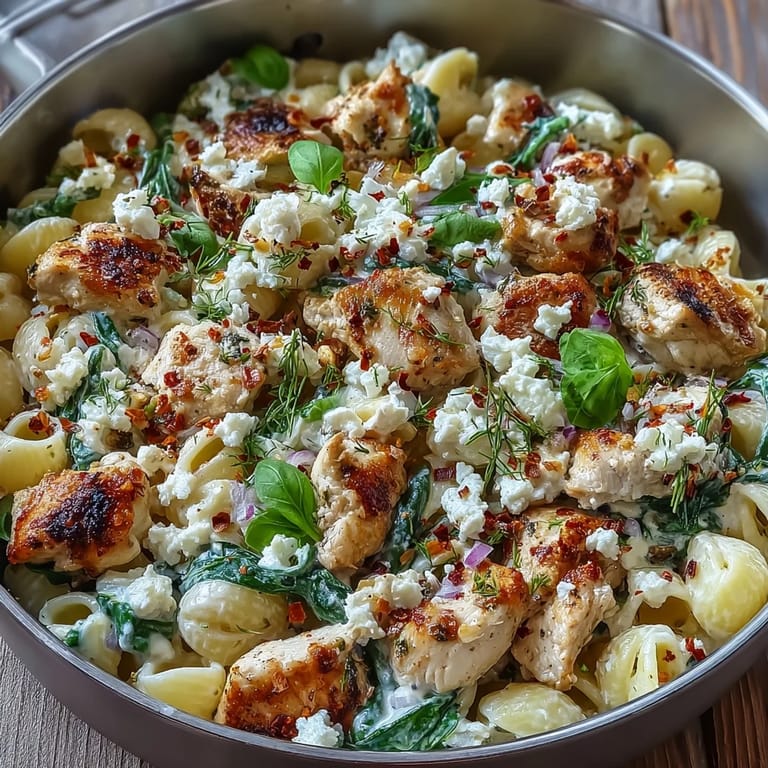
Save There's a moment, right after you fold in that Greek yogurt, where the whole skillet transforms from a collection of components into something cohesive and comforting. That's when you know you've nailed it, and honestly, it's one of those small kitchen wins that reminds you why you cook in the first place.
Why This Works as a Weeknight Dinner
The beauty of a one-skillet meal is that you're not juggling multiple pans and timing everything to finish simultaneously—you're building layers of flavor in one place, which means fewer dishes and more confidence. Dinner's on the table before anyone gets genuinely hangry, but it tastes like you've been cooking all afternoon.
Making It Your Own
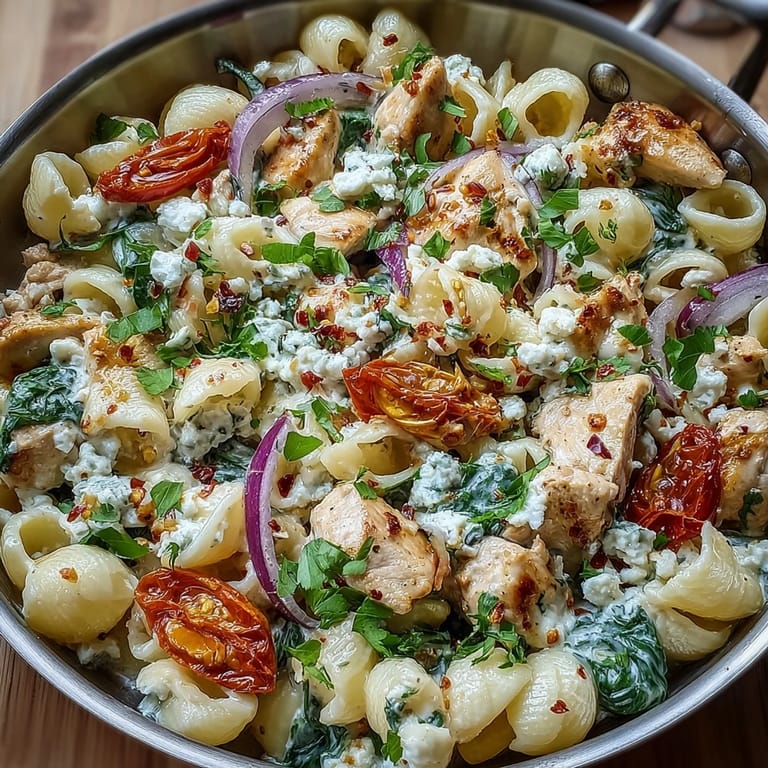
This recipe is honestly a template more than a strict blueprint, which is probably why it's become such a favorite. Kalamata olives add a briny depth, sun-dried tomatoes bring a concentrated sweetness, and if you're out of spinach, arugula works beautifully and brings a peppery bite. The flexibility means you can cook it with what you actually have instead of adding to your shopping list.
Storage and Leftovers
This keeps beautifully in the refrigerator for three days, though the pasta will continue absorbing liquid, so you might want to add a splash of broth when you reheat it. It's genuinely good cold too—I've eaten leftovers straight from the container while standing at the refrigerator, which is always a sign a recipe worked out.
- Store in an airtight container and reheat gently on the stovetop to avoid the yogurt breaking.
- Add a bit of lemon juice when reheating to brighten the flavors back up.
- This freezes okay, but the yogurt-based sauce won't be quite as silky after thawing, so eat fresh when you can.
 Save
Save  Save
Save This is one of those dishes that sits somewhere between comforting and exciting, which is exactly where the best weeknight dinners live. Make it once and it becomes the recipe you return to again and again.
Common Recipe Questions
- → Can I use chicken thighs instead of breasts?
Yes, boneless skinless chicken thighs work well and may add extra richness. Adjust cooking time by a few minutes to ensure thighs are fully cooked through.
- → What pasta shapes work best?
Short pasta varieties like penne, fusilli, or rigatoni are ideal as they hold the creamy sauce well and are easy to eat with the chicken pieces.
- → Can I make this ahead of time?
You can prepare components in advance, but it's best served fresh. The pasta absorbs sauce as it sits, so you may need to add extra broth or pasta water when reheating.
- → Is Greek yogurt necessary or can I substitute?
Greek yogurt provides the signature tangy creaminess. Plain regular yogurt works but may be thinner. For a dairy-free option, coconut yogurt could be substituted though the flavor will change.
- → How do I prevent the yogurt from curdling?
Remove the skillet from heat before stirring in the yogurt and feta. The residual heat will warm the sauce gently without causing separation. Avoid boiling after adding dairy.
- → Can I add more vegetables?
Absolutely. Bell peppers, zucchini, or artichoke hearts complement the Mediterranean flavors. Add them when cooking the onions so they soften properly.