 Save
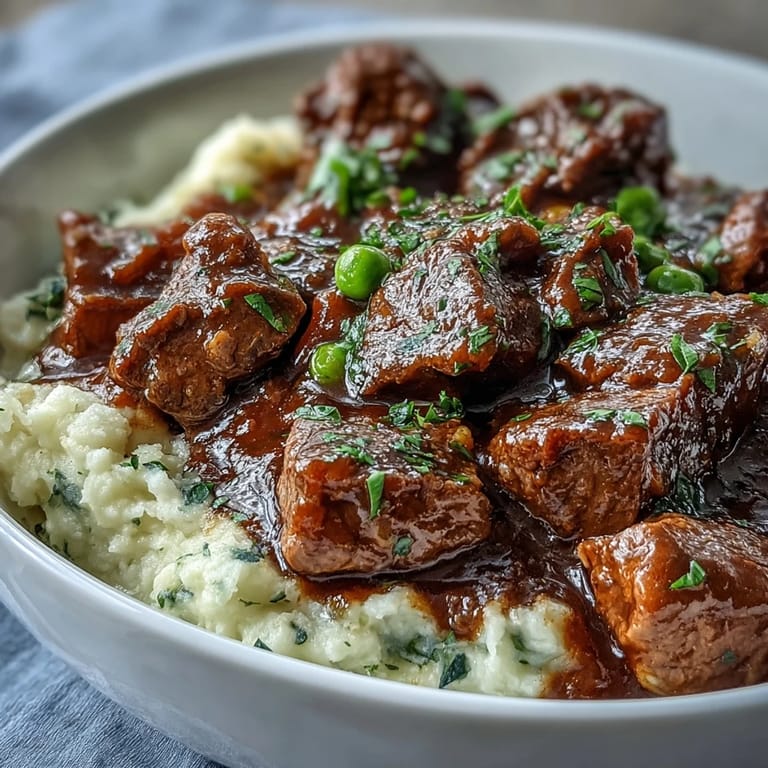
Save My cousin texted me a photo of her new fitness tracker one rainy Tuesday, and I knew exactly what she needed—something that tasted like home but wouldn't derail her goals. That's when this lightened Irish stew came together, born from the memory of my grandmother's kitchen and the determination to honor both tradition and wellness. The deep, wine-dark broth still simmers for over an hour, coaxing tenderness from lean beef, while the cauliflower mash underneath does something magic—creamy and luxurious without the heaviness of potatoes. It's comfort food that doesn't apologize.
I made this for a dinner party when February felt endless, and watching people's faces light up as they tasted that first spoonful reminded me why I cook. The stew had been simmering since afternoon, filling the house with rosemary and thyme, and by the time everyone arrived, the kitchen felt warm despite the cold outside. One guest—who'd been on a strict diet—ate three bowls and finally relaxed, just for that one evening.
Ingredients
- Lean beef stew meat, trimmed: Buying pre-cut costs more, but trimming it yourself takes five minutes and saves you money while ensuring every piece is quality meat.
- Olive oil: A good one won't burn at medium-high heat and actually contributes flavor to the browning process.
- Onion, carrots, celery: This trio is called the soffritto base in Italian cooking, and it creates the flavor foundation that makes everything taste homemade.
- Garlic cloves, minced: Fresh is absolutely worth it here—jarred garlic tastes thin by comparison in something this slow-cooked.
- Low-sodium beef broth: This matters because you're controlling the salt yourself; low-sodium gives you that control.
- Dry red wine: Use something you'd actually drink, not cooking wine from the bottom shelf—the flavor carries through the whole dish.
- Tomato paste: Those two tablespoons add umami depth that would be impossible to achieve otherwise.
- Worcestershire sauce: Two teaspoons feels small, but it's the secret ingredient that makes people say, 'what is that flavor?'
- Dried thyme and rosemary: Fresh would be lovely, but dried holds up better to the long simmer and distributes more evenly.
- Bay leaves: Remove them before serving—I learned this the hard way when a guest crunched down on one.
- Salt and black pepper: Don't skip seasoning the beef at the start; it helps develop crust during browning.
- Frozen peas: They're picked at peak ripeness and frozen immediately, so they're fresher than fresh and already tender for this short simmer.
- Cauliflower head: Cut it into florets yourself rather than buying pre-cut—they're cheaper and less likely to have been sitting around.
- Unsalted butter and milk: Unsalted butter lets you control saltiness in the mash, and low-fat milk keeps it creamy without heaviness.
- Fresh chives: Optional but worth it—they brighten everything and look intentional when scattered on top.
Tired of Takeout? 🥡
Get 10 meals you can make faster than delivery arrives. Seriously.
One email. No spam. Unsubscribe anytime.
Instructions
- Pat and season your beef:
- Dry meat browns better than wet meat, so use paper towels without rushing. This step takes a minute and changes everything about the final crust and flavor development.
- Build your crust:
- Heat oil until it shimmers, then brown the beef in batches without crowding the pan. You'll hear it sizzle immediately—that's the Maillard reaction creating flavor you can't skip.
- Create your flavor base:
- Soften the onion, carrots, and celery until the kitchen smells irresistible. The vegetables should start to caramelize at their edges, which means the sugars are developing.
- Build depth with aromatics:
- Add garlic and let it bloom for exactly one minute—longer and it turns bitter, shorter and it stays sharp. Then stir in tomato paste and your herbs, cooking just long enough to coat everything.
- Deglaze and simmer:
- Pour in wine and scrape the bottom with a wooden spoon, lifting up all those browned bits that are pure flavor. Once beef returns to the pot with broth and Worcestershire, cover and let time do the work for an hour and fifteen minutes.
- Finish with brightness:
- Add frozen peas and simmer uncovered for five to ten minutes—they only need to thaw and warm through, keeping their color and sweetness.
- Make silky cauliflower mash:
- Boil cauliflower florets until absolutely tender, then drain thoroughly before blending with butter and milk. A food processor creates the smoothest texture, though a potato masher works if you don't mind a little texture.
- Plate with intention:
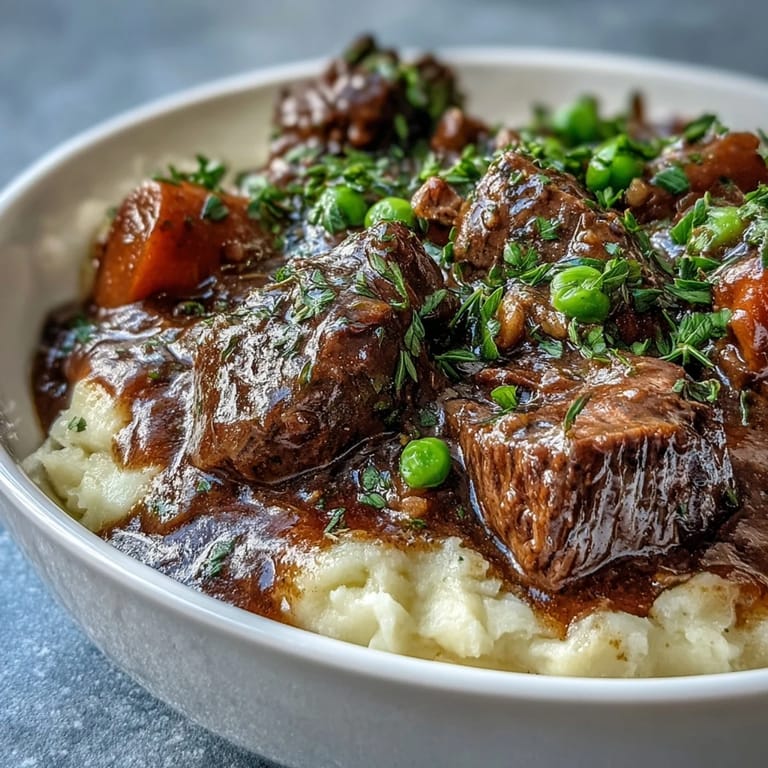
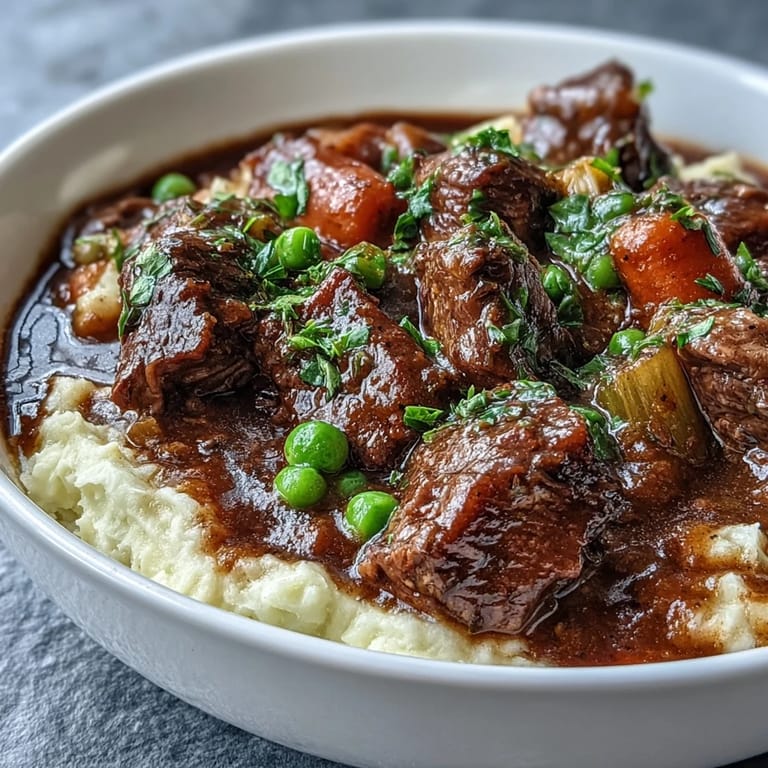
- Spoon a generous mound of cauliflower mash into each bowl, ladle hot stew over and around it, then scatter chives on top if you have them.
 Save
Save Last winter my neighbor brought over her new partner, and I served this for their second date. Watching them eat quietly, completely absorbed in their bowls, I realized this dish does something beyond nutrition—it creates a moment where people slow down and pay attention. That's when I knew I'd figured out what comfort food should be.
Why This Swap Works
Traditional Irish stew relies on potatoes to absorb the broth and thicken it naturally, but cauliflower does something different—it becomes silky when blended while contributing almost no carbohydrates. The mash sits under the stew like a foundation, catching all those deep flavors while the wine and herbs stay bright and lively instead of getting muted. The lean beef means the broth stays clear and elegant rather than greasy, which changes how the whole dish feels in your mouth.
Storage and Make-Ahead
This actually improves the next day as flavors meld and deepen, so make it ahead without hesitation. The stew keeps refrigerated for four days and freezes beautifully for up to three months—just make the cauliflower mash fresh when you reheat, or freeze it separately and thaw gently over low heat. Reheat the stew in a pot on the stovetop rather than the microwave, which keeps the beef tender and the broth from becoming weird.
Pairing and Serving
A light-bodied red wine like Pinot Noir or even a Guinness alongside the bowl makes this feel like a proper meal rather than just dinner. The cauliflower mash is rich enough that you won't want heavy sides, but a small green salad with lemon vinaigrette cuts through beautifully if you feel like vegetables. For entertaining, make the stew and mash separately so guests can assemble their own bowls and customize the ratio to their preference.
- A crusty bread for soaking up extra broth is never a bad idea, even if it's not strictly on the recipe.
- If you prefer thicker stew, remove a cup of cooked vegetables, mash them roughly, and stir back in for body without flour.
- Leftovers are honestly better than the first serving, so plan to make extra.
 Save
Save This dish proved to me that eating well doesn't mean giving up the foods that make you feel at home. Every time I make it, I'm grateful for the excuse to spend an afternoon cooking something that fills the whole house with warmth.
Common Recipe Questions
- → What cut of beef works best for this stew?
Lean stew meat trimmed into 1-inch cubes is ideal for tender, flavorful results when simmered slowly.
- → How is the cauliflower mash prepared?
Cauliflower florets are boiled until tender, then blended with butter and low-fat milk to create a smooth, creamy base.
- → Can I substitute the wine used in the stew?
Yes, you can replace dry red wine with extra beef broth or a splash of Guinness for a rich flavor twist.
- → How do the herbs contribute to the stew’s taste?
Dried thyme, rosemary, and bay leaves add depth and aromatic notes, enhancing the savory stew base.
- → Is this dish suitable for a low-carb diet?
Yes, replacing traditional mash with cauliflower keeps the dish low in carbohydrates while maintaining creaminess.
- → What kitchen tools are essential for this preparation?
A heavy-bottomed pot or Dutch oven for simmering, plus a food processor or masher for the cauliflower mash.