 Save
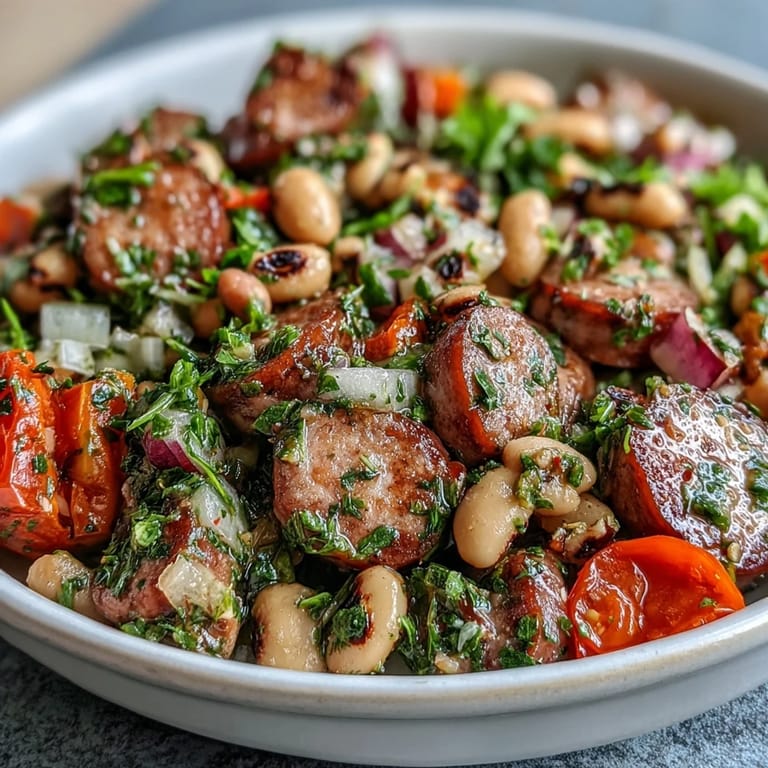
Save My neighbor brought this to a potluck last spring, and I watched people go back for thirds—not because it was salad, but because something about the combination felt both familiar and exciting. She told me later that she'd been riffing on her grandmother's Hoppin' John, that lucky New Year's Day dish, but wanted something you could actually eat on a warm afternoon without feeling weighed down. The mustard and tarragon were her own additions, a little nod to French cooking meeting Southern soul food, and honestly, it changed how I think about what salads can be.
I made this for my sister after she'd been asking for something between a salad and a proper meal, something that wouldn't leave her hungry at 4 p.m. She sat at my kitchen counter while I chopped vegetables, and we talked about how her kids actually ate the black-eyed peas without complaint because they were mixed in with everything else, not segregated on the plate like vegetables often are. That was the moment I realized this isn't just a recipe—it's a conversation starter disguised as lunch.
Ingredients
- Black-eyed peas (1 can, 15 oz, drained and rinsed): The backbone of this dish—buy canned to save time, but rinse them well to cut down on sodium and that metallic taste canned beans sometimes carry.
- Turkey sausage (2 fully cooked links, about 8 oz): Look for ones without added sugar if you can, and check the label because some brands sneak gluten in there; the slight smokiness pairs perfectly with tarragon.
- Cherry tomatoes (1 cup, halved): Use whatever looks brightest at the market—during winter, you might need regular tomatoes diced smaller, which is fine.
- Red bell pepper (1/2 cup, diced): The sweetness balances the mustard, and the crunch keeps things from feeling mushy.
- Celery (1/2 cup, finely chopped): Don't skip this—it adds a subtle earthiness and texture that grounds all the brighter flavors.
- Red onion (1/4 cup, finely diced): Raw red onion has a bite that mellows slightly as it sits in the dressing, creating complexity.
- Fresh tarragon (3 tbsp total, chopped): This is the secret weapon—tarragon tastes faintly like licorice and anise, which sounds weird until you taste how it plays with mustard.
- Mixed salad greens (2 cups): Use whatever you have—arugula, butter lettuce, spinach—just avoid iceberg because it disappears into the background.
- Extra virgin olive oil (3 tbsp): Use one you actually like tasting because it matters in the dressing; cheap oil tastes flat here.
- Dijon mustard (1 1/2 tbsp): The grainy kind with visible seeds adds texture and a sharper bite than smooth yellow mustard.
- White wine vinegar (1 tbsp): It's milder than champagne vinegar but brighter than apple cider—the Goldilocks of vinegars for this purpose.
- Honey (1 tsp): Just a touch to soften the mustard's sharp edges and help the dressing emulsify.
- Garlic (1 clove, minced): Raw garlic in the dressing adds pungency, so use one clove rather than eyeballing it.
- Salt and black pepper (1/4 tsp each): Season the dressing first, then taste the finished salad and adjust because the vegetables add their own salt.
Tired of Takeout? 🥡
Get 10 meals you can make faster than delivery arrives. Seriously.
One email. No spam. Unsubscribe anytime.
Instructions
- Warm the sausage until it develops color:
- Heat your nonstick skillet over medium heat and add the sliced turkey sausage, letting it sit for a minute or two before stirring so it gets a light brown crust. You want to smell that subtle smoke and browning—that's when you know the outside is getting texture, which makes a real difference in the finished salad.
- Build the base of your salad:
- In a large bowl, combine the black-eyed peas with the tomatoes, bell pepper, celery, red onion, and the 2 tablespoons of fresh tarragon—don't add the greens yet or they'll wilt. This is where you can taste and adjust seasonings if you want to add a pinch of salt to help the vegetables release their flavors.
- Whisk the dressing until it comes together:
- In a small bowl or jar, combine the olive oil, Dijon mustard, white wine vinegar, honey, minced garlic, the remaining 1 tablespoon of tarragon, salt, and pepper. Whisk vigorously until the dressing looks slightly creamy and thickened—this emulsification happens when you whisk the oil and vinegar together hard enough, and it changes the texture completely.
- Bring everything together with gentle tossing:
- Add the cooled turkey sausage to the salad bowl and pour the mustard dressing over everything, then toss gently so you don't bruise the vegetables or break apart the black-eyed peas. The goal is coating, not drowning—you should see the dressing cling to everything without pooling at the bottom.
- Arrange and serve with fresh flavor on top:
- Lay the mixed salad greens on your serving platter or individual plates, then spoon the black-eyed pea mixture over top—this way the warm salad sits on cool greens and stays interesting temperature-wise. Garnish with extra tarragon if you have it and serve right away while there's still some textural contrast.
 Save
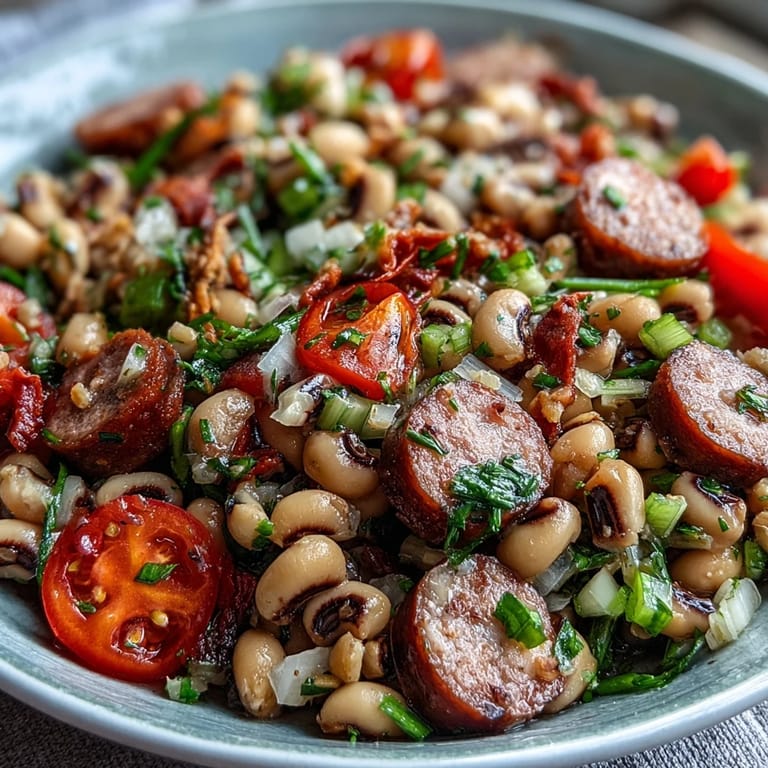
Save I brought this to a work lunch once, and someone asked why it tasted so much better than salads they'd made at home, as if there was some hidden ingredient I wasn't telling them about. The answer, I think, is just that every component matters equally—the sausage, the dressing, the tarragon—and they all show up for the same job without one trying to outshout the others.
How to Make It Your Own
The beautiful thing about this salad is that it handles substitutions gracefully without losing its identity. If you don't eat meat, smoked tofu sliced and pan-warmed for a few minutes picks up the same color and takes the mustard dressing beautifully, or you can just leave the protein out and add an extra handful of greens and some crumbled feta. I've also made it with roasted chickpeas when I wanted something lighter, and the earthiness worked just as well as the sausage.
For texture variations, try adding diced avocado right at the end—it softens the sharpness of the mustard and makes the whole thing feel more luxurious. Roasted corn is another one that works; it adds sweetness that plays off the tarragon in unexpected ways. Even a handful of toasted nuts, like walnuts or pecans, would add crunch if you want that element.
The Dressing Makes or Breaks Everything
I've made this salad with bottled vinaigrettes when I was rushed, and it's fine, but it's never as good as when you spend two minutes whisking the dressing yourself. The reason is emulsification—when you whisk oil and vinegar together hard enough, the tiny droplets of oil disperse throughout the vinegar instead of separating, which creates a silky texture that clings to every vegetable and makes the whole dish feel more cohesive. It's literally the difference between dressing a salad and drowning it.
The other secret is tasting the dressing before it goes on the salad and adjusting the seasoning there, not hoping you can fix it once everything is mixed. I usually taste it on a tomato or piece of sausage to see how it plays with the actual ingredients, and that 30 seconds of testing can save you from a flat or overly sharp result.
Serving Ideas and Timing
This salad is best served fresh, within 30 minutes of assembly, when the greens are still crisp and the sausage hasn't cooled completely—there's something about eating it at that in-between temperature where it feels both satisfying and light. It works as a lunch, a light dinner, or even a side dish at a potluck, and it's substantial enough that you don't need much else unless you want crusty bread to soak up the dressing.
If you're serving this at a gathering, assemble the salad components on a platter and let people help themselves, adding the warm sausage at the last moment so it doesn't overcook sitting in the dressing. You can also pack individual components separately for lunch and assemble them at your desk or table, which keeps everything at its best texture.
- Serve with a crisp white wine like Sauvignon Blanc or Pinot Grigio if you want to drink something that echoes the bright, herbaceous flavors in the salad.
- Don't overthink portions—this scales easily up or down depending on how hungry people are, and leftovers keep for a day or two if you store the components separately.
- Taste everything before serving because the flavor changes slightly as it sits, and you might want a squeeze of lemon or a pinch more salt once the vegetables have released their juices.
 Save
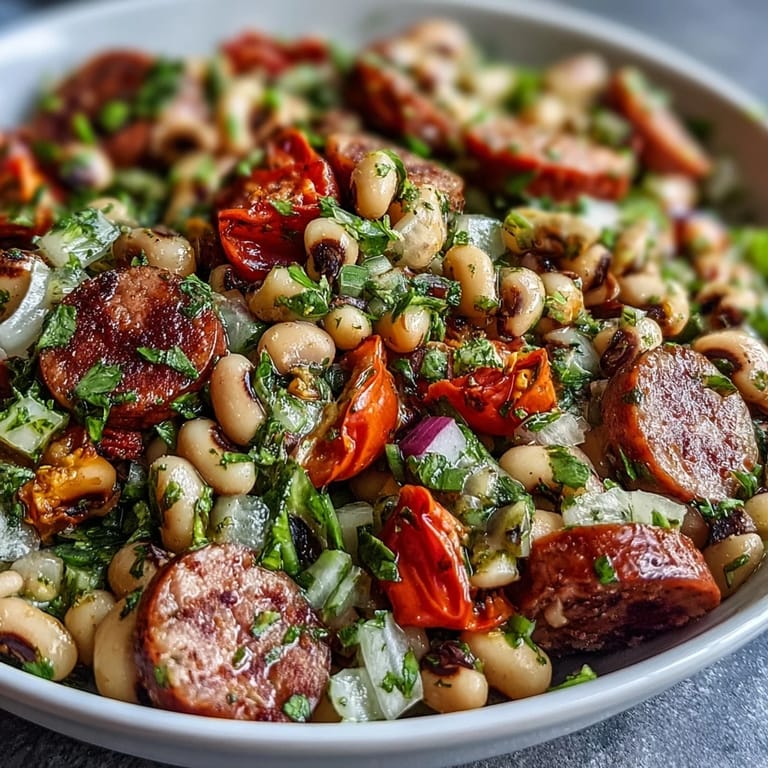
Save This salad reminds me that Southern food doesn't have to be heavy to be meaningful, and sometimes the best versions of tradition are the ones that respect where they come from while making space for something new. It's the kind of dish I find myself craving without being able to explain why, which usually means it's doing something right.
Common Recipe Questions
- → Can I make this ahead of time?
Yes, you can prepare the dressing and chop vegetables up to a day in advance. Store components separately and toss together just before serving to maintain freshness and texture.
- → What can I substitute for fresh tarragon?
Fresh basil or parsley works well as alternatives. Use half the amount if substituting dried herbs, though fresh herbs provide the best flavor profile for this dish.
- → Is this salad served warm or cold?
It's best served at room temperature or slightly warm. The warmth from the freshly cooked sausage contrasts nicely with the crisp, chilled vegetables and greens.
- → How long does this keep in the refrigerator?
Store any leftovers in an airtight container for up to 3 days. The flavors will meld together, though the greens may wilt slightly over time.
- → Can I use dried black-eyed peas instead of canned?
Absolutely. Cook about 1 cup dried peas according to package directions until tender, then drain and cool before using. This will extend the preparation time significantly.