 Save
Save There's something almost meditative about the rhythm of chopping vegetables on a cutting board, especially when you're cooking for people who actually show up hungry. One Tuesday evening, I found myself with an armful of bell peppers from the farmers market and absolutely no dinner plan, so I threw together this stir-fry on instinct. The kitchen filled with that incredible sizzle-and-steam smell within minutes, and by the time my friend walked through the door, the whole thing was done. That's when I realized: this dish isn't just quick, it's the kind of meal that makes you look like you've been cooking all day.
I made this for my sister after she mentioned being tired of the same rotations, and watching her dig in without hesitation while barely pausing to breathe felt like winning some kind of unspoken cooking award. She asked for the recipe before she'd even finished her bowl, which tells you everything you need to know about how this one lands at the table.
Ingredients
- Broccoli florets: They hold their shape and texture beautifully if you don't overthink the cooking time, and they're sturdy enough to handle the sauce without falling apart.
- Red and yellow bell peppers: The colors aren't just pretty, they taste different, and mixing them gives you sweetness with complexity that a single color can't match.
- Carrot, sliced diagonally: The angle matters more than you'd think because it increases surface area and makes the pieces cook more evenly.
- Sugar snap peas: These are your texture secret, they stay snappy and add a natural sweetness that balances the savory sauce.
- Red onion, thinly sliced: Don't skip this, the sharpness cuts through the richness of the peanut sauce and keeps everything from feeling heavy.
- Garlic and ginger: Fresh is non-negotiable here, they bloom in the hot pan and transform the whole dish from simple to special in about sixty seconds.
- Natural peanut butter: The kind without the added sugar and oil, it makes the sauce taste cleaner and lets the peanut flavor actually sing.
- Soy sauce: Use tamari if gluten bothers you, but don't skip the umami boost altogether or you'll lose half the depth.
- Rice vinegar: This brings brightness without the punch of distilled vinegar, it's the ingredient that stops the sauce from tasting flat.
- Maple syrup or honey: Just a tablespoon balances the saltiness and creates that addictive sweet-savory thing your brain keeps coming back for.
- Toasted sesame oil: A little goes a long way, it adds a nutty note that makes people ask what your secret is.
- Roasted peanuts and sesame seeds: These aren't just garnish, they're the textural contrast that makes the whole bite interesting.
Tired of Takeout? 🥡
Get 10 meals you can make faster than delivery arrives. Seriously.
One email. No spam. Unsubscribe anytime.
Instructions
- Make the sauce first:
- Whisk peanut butter, soy sauce, rice vinegar, maple syrup, sesame oil, and warm water together until it's smooth and pourable, adjusting water if it's too thick. This takes maybe three minutes and means you're not fumbling with ingredients while everything's cooking hot and fast.
- Get your pan screaming hot:
- Heat a large skillet or wok over medium-high heat with just a splash of neutral oil, you want it hot enough that the vegetables start sizzling the moment they hit the pan. This is what gives you that restaurant-quality color and keeps things crisp.
- Sauté the sturdy vegetables first:
- Add broccoli, bell peppers, carrot, and sugar snap peas, then stir constantly for four to five minutes until they're just tender but still have some bite. You'll know it's right when you can pierce them with a fork but they still snap a little.
- Finish with the aromatics:
- Add your minced garlic and grated ginger, stir for about one minute until the whole pan smells incredible. This brief cooking time keeps them from burning while releasing all their flavor into the vegetables.
- Bring it all together:
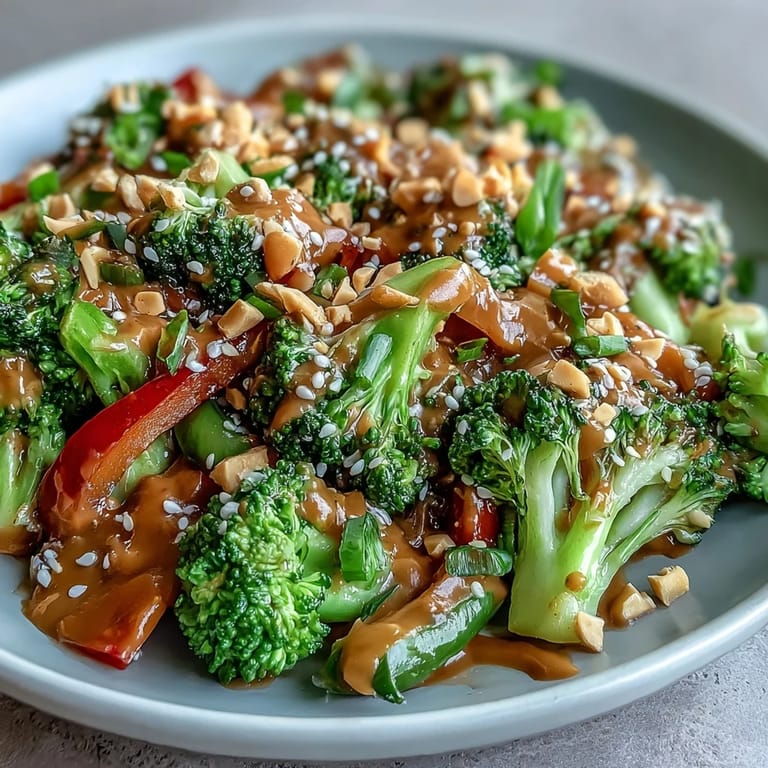
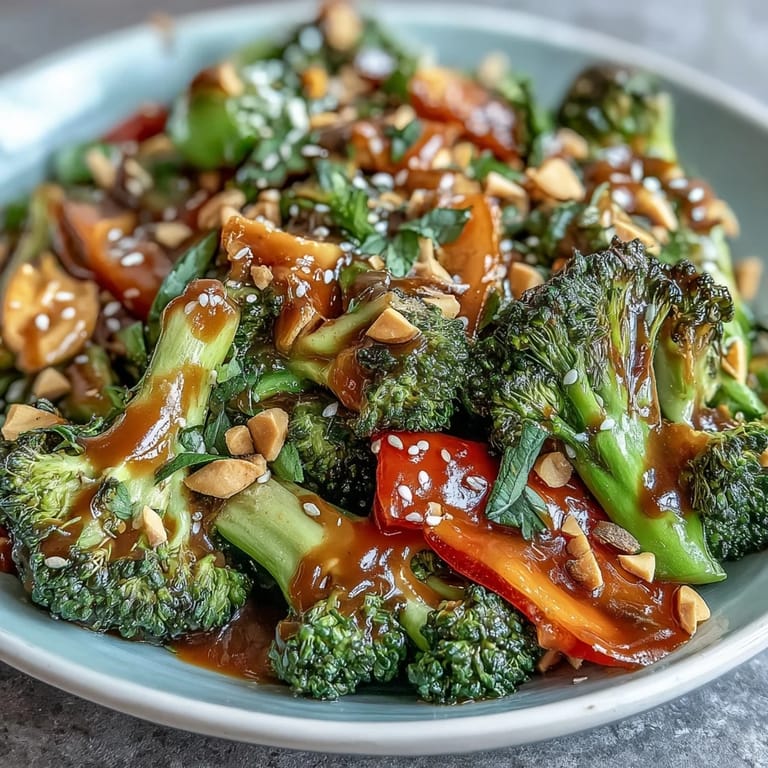
- Pour the peanut sauce over everything and toss until every piece is coated, then cook for another minute or two just until the sauce is heated through. The vegetables should glisten, and the whole thing should smell like you've been cooking for hours.
- Plate and finish:
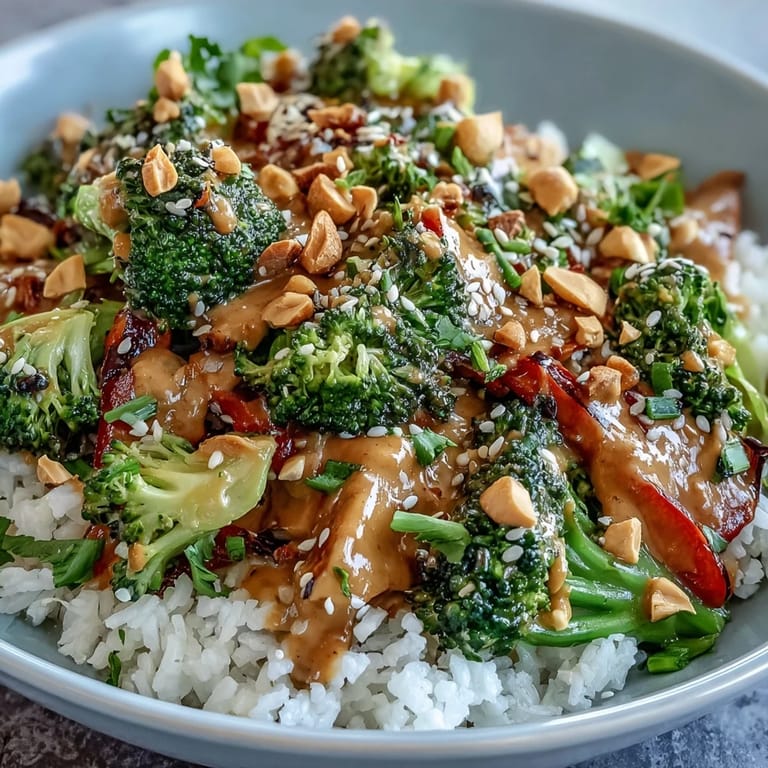
- Serve immediately over rice if you want, then scatter roasted peanuts, sliced green onions, and sesame seeds on top with a squeeze of fresh lime. That lime is crucial, it brightens everything and keeps the flavors from getting heavy.
 Save
Save There's a moment in cooking when you realize a meal has become something people actually want to make again instead of just something you threw together on a weeknight. This stir-fry earned that status the first time I made it, and it's stayed there ever since because it proves you don't need hours or fancy ingredients to feed people something they'll remember.
Swapping Vegetables Without Losing Your Way
The beauty of a stir-fry is that it's forgiving, you can swap almost any vegetable and it'll still work as long as you understand the cooking times. Mushrooms need less time than broccoli, zucchini cooks faster than carrots, and baby corn stays crisp almost no matter what. I've made this with whatever was in my crisper drawer on Sunday night, and some of those accidents turned out better than the original. The only rule is to cut similar vegetables to roughly the same size so they cook evenly, and to add the longest-cooking items first.
Making This a Protein-Packed Meal
If you want to turn this into something more substantial, tofu scrambled in there adds texture and absorbs the sauce beautifully, or tempeh gives you a slightly firmer bite that some people prefer. Edamame tossed in at the end keeps its pop, and cashews or almonds work if you're not into peanuts. I've even stirred in a beaten egg at the very end, letting it cook through in the residual heat, which sounds simple but adds a richness that stops people mid-chew to ask what you did differently.
Storage and Make-Ahead Tips
This dish is best served fresh, but you can prep all your vegetables hours ahead and keep the sauce in a separate container, then cook when you're ready. Leftovers last about two days in the fridge if you store them properly, though the vegetables will soften slightly. If you want to meal prep, make the sauce ahead and keep it separate from the cooked vegetables so you can reheat them quickly the night you want to eat.
- The peanut sauce actually tastes better the next day once the flavors have had time to meld together.
- Keep garnishes separate until you serve, they lose their crunch if they sit in the moisture for too long.
- If your leftover sauce gets too thick in the fridge, thin it with warm water and a splash of soy sauce to get it back to pourable.
 Save
Save This stir-fry lives on my rotation because it's the kind of dish that tastes like you care without requiring you to spend your whole evening in the kitchen. Make it once and you'll understand why it became a weeknight regular.
Common Recipe Questions
- → Can I use other vegetables for this stir-fry?
Yes, feel free to substitute or add vegetables like zucchini, mushrooms, or baby corn to suit your preference or availability.
- → What can I use to make the sauce gluten-free?
Substitute soy sauce with tamari to keep the sauce gluten-free without compromising flavor.
- → How do I ensure the vegetables stay crisp yet tender?
Stir-fry the vegetables on medium-high heat for 4-5 minutes, cooking just until tender but still crisp. Avoid overcooking.
- → Can I add extra protein to this dish?
Yes, adding tofu, tempeh, or edamame boosts protein content and complements the flavors nicely.
- → What are some good serving suggestions?
Serve over steamed jasmine or brown rice, and garnish with roasted peanuts, sesame seeds, green onions, and a squeeze of lime for enhanced taste.