 Save
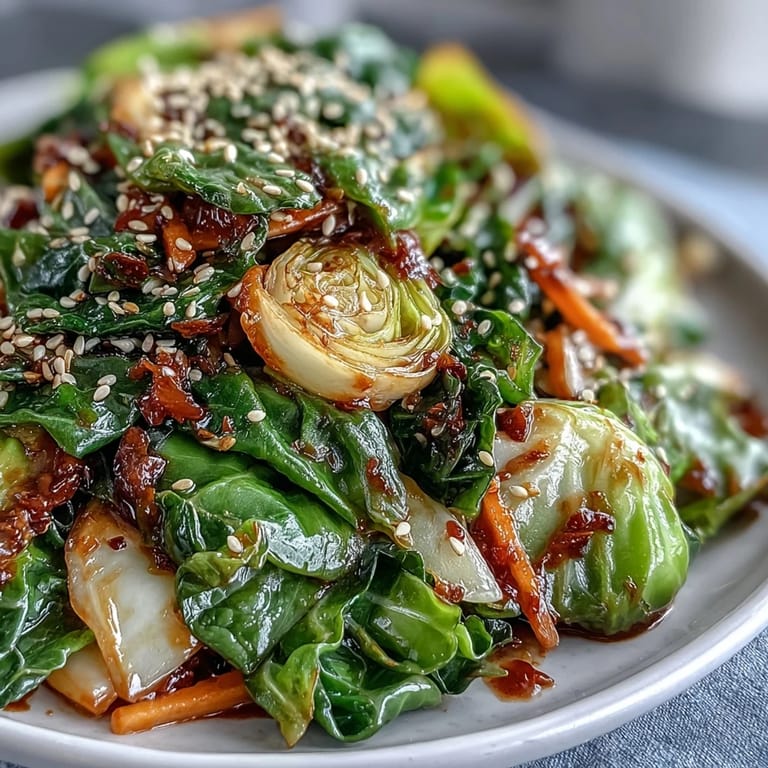
Save My neighbor once leaned over the fence while I was pulling groceries from the car and said, You know what you need? A dish that slaps you awake. She was right. That week I made this hot and sour cabbage for the first time, and it became the dish I turn to when everything else feels too mild or too predictable. The sizzle of garlic hitting hot oil, the sharp tang of vinegar, the slow crunch of cabbage refusing to go soft—it all felt like exactly what my kitchen had been missing.
I made this for a potluck once, the kind where everyone brings something safe and beige. My bowl was empty in ten minutes. People kept asking what was in it, like there was some secret ingredient, but it was just cabbage, vinegar, and a little courage with the chili paste. One friend told me it was the first time she'd ever gone back for seconds of a vegetable dish. I took that as a personal victory.
Ingredients
- Green cabbage: Choose a firm head with tightly packed leaves, and slice it thin so it cooks fast but keeps that satisfying crunch.
- Carrot: Julienned carrot adds sweetness and a pop of color that makes the whole dish feel more complete.
- Scallions: Slice them on the diagonal for a prettier look and a slightly milder onion flavor that doesn't overpower.
- Garlic and ginger: Mince them finely so they release their oils quickly and coat everything without leaving big chunks.
- Soy sauce: Use tamari if you need it gluten free, but either way, this is your salty backbone.
- Rice vinegar: It's gentler than white vinegar and gives that bright, clean sourness without making you pucker too hard.
- Chili paste: Start with a tablespoon and taste as you go, because some brands are much hotter than others.
- Sugar: Just a teaspoon to round out the acid and heat, not to make it sweet.
- Toasted sesame oil: A little goes a long way, and it adds a nutty finish that ties everything together.
- Vegetable oil: You need something neutral with a high smoke point for stir frying over high heat.
- Black pepper and salt: Season at the end so you can taste and adjust without overdoing it.
- Sesame seeds: Toasted seeds add a quiet crunch and make the dish look like you tried harder than you did.
Tired of Takeout? 🥡
Get 10 meals you can make faster than delivery arrives. Seriously.
One email. No spam. Unsubscribe anytime.
Instructions
- Mix the sauce:
- Whisk together soy sauce, rice vinegar, chili paste, sugar, and sesame oil in a small bowl. Having this ready before you start cooking keeps you from scrambling later when the heat is on.
- Heat the oil:
- Pour vegetable oil into a large wok or skillet and crank the heat to medium high. You want the pan hot enough that the garlic sizzles immediately when it hits.
- Bloom the aromatics:
- Toss in garlic and ginger, stirring constantly for about thirty seconds. The smell will fill your kitchen fast, and that's your cue to move on before they burn.
- Stir fry the vegetables:
- Add the cabbage and carrot, tossing them around for three to four minutes. They should start to soften but still snap when you bite into them.
- Add the sauce:
- Pour in your prepared sauce and toss everything together, making sure every piece of cabbage gets coated. Cook for another two to three minutes, letting the flavors soak in without turning the vegetables mushy.
- Season and finish:
- Stir in black pepper, salt, and scallions, then cook for one more minute. Taste a piece of cabbage and adjust the salt or heat if needed.
- Serve:
- Transfer to a serving dish and sprinkle with toasted sesame seeds and extra scallions if you have them. Serve it hot, right out of the pan.
 Save
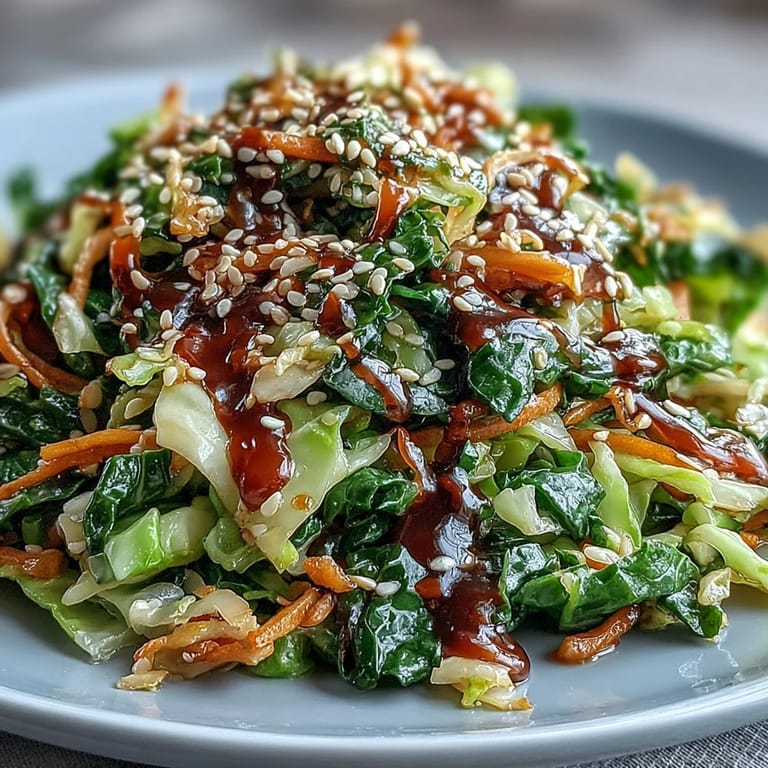
Save The first time I served this alongside plain grilled chicken, my partner looked at me and said, Why is the cabbage better than the chicken? I didn't have a good answer except that sometimes the side dish deserves to be the star. Now I make extra on purpose because it's even better the next day, cold, straight from the fridge at midnight when you're looking for something with a little bite.
What to Serve It With
This dish plays well with almost anything, but it really shines next to steamed jasmine rice or fried rice that needs a little acid to cut through the richness. I've also piled it on top of rice noodles with a fried egg, and it turned into a full meal without much effort. If you're grilling, it's the perfect counterpoint to fatty meats or tofu because the vinegar and heat balance everything out.
How to Store and Reheat
Keep leftovers in an airtight container in the fridge for up to three days. The cabbage will soften a bit as it sits, but the flavors get even more pronounced, which some people prefer. Reheat it gently in a skillet over medium heat, or eat it cold as a crunchy, tangy snack. I wouldn't freeze it because the texture of the cabbage doesn't survive the thaw well.
Ways to Make It Your Own
If you want more vegetables, throw in sliced bell peppers, snap peas, or shiitake mushrooms during the stir fry step. Napa cabbage works if you want something more delicate, though it wilts faster so cut your cooking time. For a richer version, add a tablespoon of peanut butter or tahini to the sauce, which gives it a creamy, nutty depth that's unexpectedly good.
- Add a handful of roasted peanuts or cashews for extra crunch and protein.
- Swap the sugar for a drizzle of honey or maple syrup if that's what you have on hand.
- Toss in some leftover shredded chicken or crispy tofu to turn it into a main dish.
 Save
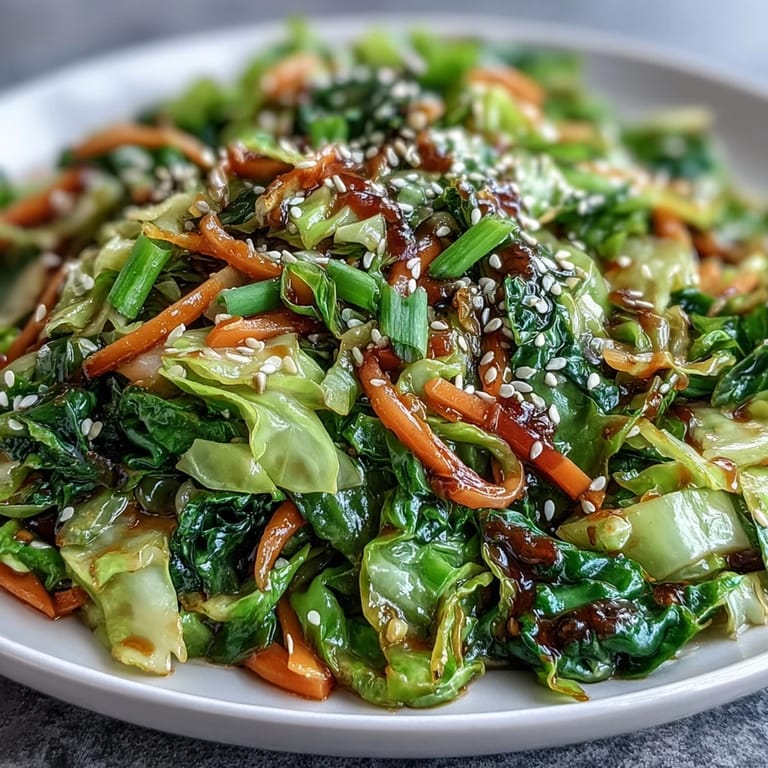
Save This dish taught me that vegetables don't have to be boring, and that sometimes the simplest ingredients make the loudest impact. Make it once, and I promise you'll start looking at cabbage differently.
Common Recipe Questions
- → Can I use Napa cabbage instead of green cabbage?
Yes, Napa cabbage works wonderfully and provides a milder, more delicate flavor. It will cook slightly faster than green cabbage, so reduce the stir-fry time by about a minute to maintain its tender-crisp texture.
- → How can I adjust the spice level?
Control the heat by adjusting the amount of chili paste or chili garlic sauce. For a milder version, reduce to 1-2 teaspoons. For extra heat, add more chili paste or sprinkle in red pepper flakes to taste.
- → What can I serve this dish with?
This versatile side pairs beautifully with steamed jasmine or brown rice, grilled chicken, tofu, or fish. It also complements other Chinese dishes like fried rice, dumplings, or noodle dishes for a complete meal.
- → How do I store leftovers?
Store cooled leftovers in an airtight container in the refrigerator for up to 3 days. Reheat in a skillet over medium heat or in the microwave. Note that the cabbage may soften slightly upon reheating but will still be flavorful.
- → Can I add other vegetables to this dish?
Absolutely! Sliced bell peppers, mushrooms, snap peas, or baby corn make excellent additions. Add firmer vegetables like peppers at the same time as the cabbage, and quicker-cooking items like mushrooms a minute or two later.
- → Is this dish truly gluten-free?
It can be gluten-free if you substitute regular soy sauce with tamari or a certified gluten-free soy sauce. Always check labels on all condiments, including chili paste, as some brands may contain gluten or wheat-based additives.