 Save
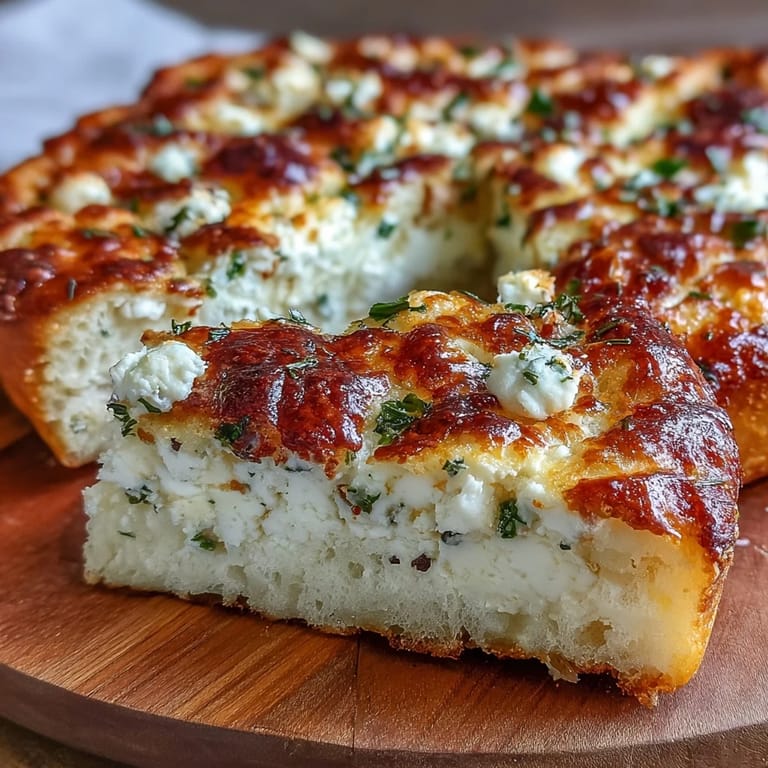
Save One rainy Sunday, I opened the fridge to find half a tub of cottage cheese and not much else. I wasn't about to run to the store, so I started mixing it with whatever I had on hand. The dough came together faster than I expected, soft and forgiving under my palms. When the first flatbread puffed up in the skillet, golden and dimpled with little air pockets, I knew I'd stumbled onto something I'd make again and again.
I made these for a friend who swore she didn't like cottage cheese. She watched me stir the curds into the dough, skeptical, arms crossed. But when I handed her a warm piece slathered with butter and a sprinkle of flaky salt, she paused mid-bite and asked for the recipe. That quiet conversion felt like a small kitchen victory.
Ingredients
- All-purpose flour: Forms the structure, giving the flatbreads just enough chew without turning dense or heavy.
- Baking powder: This is what creates those lovely bubbles and keeps the texture tender instead of flat and tough.
- Fine salt: Wakes up every other flavor and balances the slight tang from the cheese.
- Garlic powder: Optional, but it adds a whisper of savory warmth that makes the kitchen smell incredible.
- Full-fat cottage cheese: The star ingredient, lending moisture, protein, and a subtle richness that makes these flatbreads impossibly soft.
- Large egg: Binds everything together and adds a bit of lift and color to the final bread.
- Olive oil: Keeps the dough supple and adds a hint of fruity depth, plus you'll use more for cooking.
- Fresh chopped herbs: Parsley or chives bring brightness and a pop of green, though you can skip them if your herb drawer is empty.
- Water: Just a tablespoon or two if the dough feels dry, helping it come together without getting sticky.
Tired of Takeout? 🥡
Get 10 meals you can make faster than delivery arrives. Seriously.
One email. No spam. Unsubscribe anytime.
Instructions
- Combine the dry ingredients:
- Whisk the flour, baking powder, salt, and garlic powder in a medium bowl until there are no clumps. This ensures every bite has even seasoning and lift.
- Mix the wet ingredients:
- In another bowl, mash the drained cottage cheese with the egg, olive oil, and herbs using a fork until mostly smooth. A few small curds are fine and add character.
- Form the dough:
- Pour the wet mixture into the dry and stir gently with a spatula until a shaggy dough appears. If it looks too crumbly, add water a teaspoon at a time until it holds together.
- Knead lightly:
- Turn the dough onto a floured surface and fold it over itself six to eight times, just until it feels cohesive. Overworking will make the flatbreads tough instead of tender.
- Rest the dough:
- Cover the dough ball with a towel or plastic wrap and let it sit for ten minutes. This brief rest relaxes the gluten and makes rolling much easier.
- Divide and roll:
- Cut the dough into four equal pieces and roll each into a smooth ball. Flatten each ball into a round about a quarter inch thick, dusting with flour as needed to prevent sticking.
- Heat the skillet:
- Warm a nonstick or cast-iron skillet over medium heat and brush it lightly with olive oil. The pan should be hot enough that a drop of water sizzles but doesn't smoke.
- Cook the flatbread:
- Lay one round in the skillet and cook for two to three minutes until bubbles form and the underside turns golden. Flip and cook another one to two minutes until cooked through and beautifully spotted.
- Keep warm:
- Transfer the finished flatbread to a plate and cover with a clean towel to trap steam and keep it soft. Repeat with the remaining dough, adding more oil between batches.
- Serve:
- Enjoy them warm, wrapped around your favorite fillings, dipped into spreads, or topped with sauce and cheese for a quick homemade pizza.
 Save
Save There was an evening when I made a double batch and filled them with roasted vegetables and feta. We ate them standing at the counter, sauce dripping onto our wrists, laughing at how quickly they disappeared. That messy, unplanned dinner became one of those meals I think about when I need to remember why I love cooking in the first place.
Customizing Your Flatbreads
I've stirred finely chopped spinach, sun-dried tomatoes, and even a spoonful of pesto into the dough before rolling, each variation adding a new layer of flavor and color. If you want a gluten-free version, swap in a one-to-one flour blend and add a tablespoon of ground flaxseed for structure and a hint of nuttiness. You can also play with the herbs, swapping parsley for dill, basil, or cilantro depending on what you're serving alongside. The dough is forgiving and adapts to whatever mood or pantry you're working with.
Storing and Reheating
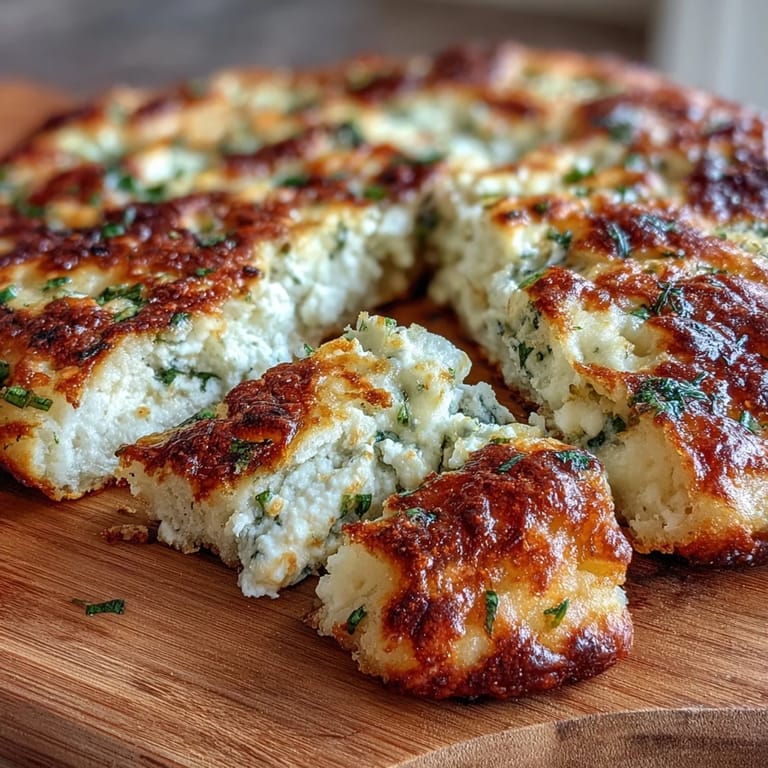
These flatbreads keep beautifully in an airtight container in the fridge for up to three days, or you can freeze them for a month, layered between parchment to prevent sticking. When you're ready to eat, reheat them in a dry skillet over low heat or wrap them in a damp paper towel and microwave for fifteen to twenty seconds. Either method brings back that just-cooked softness, and they taste nearly as good as when they first came off the stove. I always make extra now, knowing how easy it is to revive them for a quick lunch or snack.
Turning Them Into Pizza
One night I rolled the dough a little thinner, spread on marinara, scattered mozzarella and fresh basil, then baked them at 425 degrees Fahrenheit for eight to ten minutes. The edges crisped up while the center stayed soft and chewy, and the cottage cheese in the dough gave the crust a subtle richness that store-bought bases never have. It's become my go-to when I want homemade pizza without the fuss of yeast dough.
- Top them before baking or after cooking in the skillet, depending on whether you want a crispy or soft finish.
- Brush the edges with garlic butter before baking for an extra layer of flavor and shine.
- Let the flatbreads cool slightly before cutting so the toppings don't slide off in a molten mess.
 Save
Save These flatbreads have become a quiet staple in my kitchen, the kind of recipe I turn to when I want something homemade without the fuss. I hope they bring you the same easy comfort and maybe a few warm, sauce-dripping moments of your own.
Common Recipe Questions
- → Why does the dough need to rest?
The 10-minute rest allows the flour to fully hydrate and the gluten to relax, making the dough easier to roll out without springing back. This step ensures your flatbreads stay tender and pliable after cooking.
- → Can I make the dough ahead of time?
Yes, you can prepare the dough and store it in the refrigerator for up to 24 hours. Let it come to room temperature for about 15 minutes before rolling and cooking, as cold dough will be stiffer and harder to shape.
- → How do I prevent the flatbreads from drying out?
Keep cooked flatbreads covered with a clean kitchen towel while you finish cooking the remaining batches. This traps steam and maintains softness. You can also brush them lightly with olive oil right after cooking.
- → What's the best way to reheat leftovers?
Warm them in a dry skillet over medium-low heat for about 30 seconds per side, or wrap in a damp paper towel and microwave for 15–20 seconds. The skillet method restores the best texture and slight crispness.
- → Can I use different herbs?
Absolutely. Fresh dill, cilantro, rosemary, or thyme all work beautifully. Dried herbs can be used as well—reduce the amount to about ½ teaspoon since dried herbs are more concentrated in flavor.
- → Why is my dough too sticky or dry?
Sticky dough usually means the cottage cheese wasn't drained well enough—try pressing it through a fine-mesh sieve. If the dough is dry and crumbly, add water 1 teaspoon at a time until it forms a soft, cohesive ball.