 Save
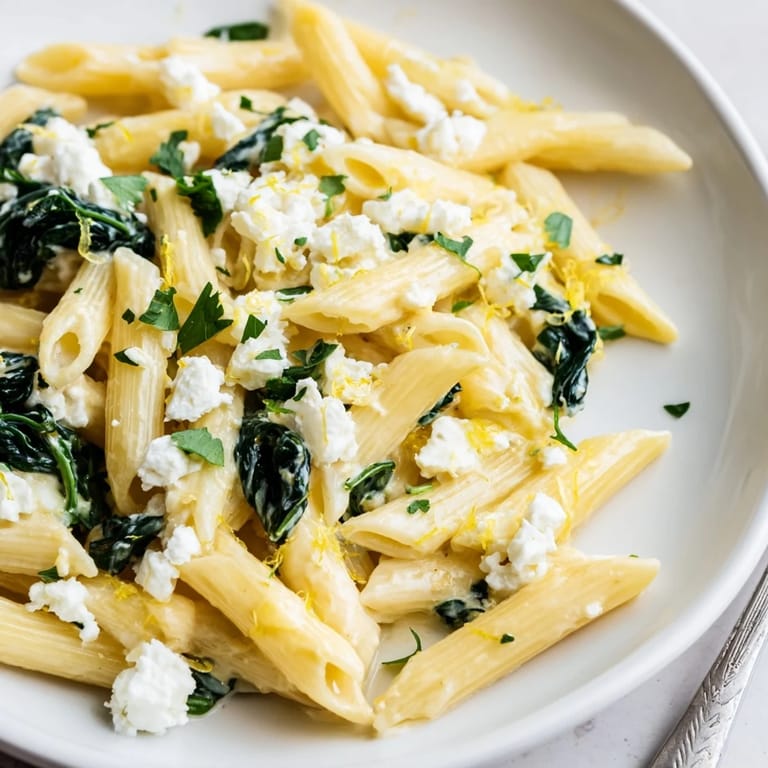
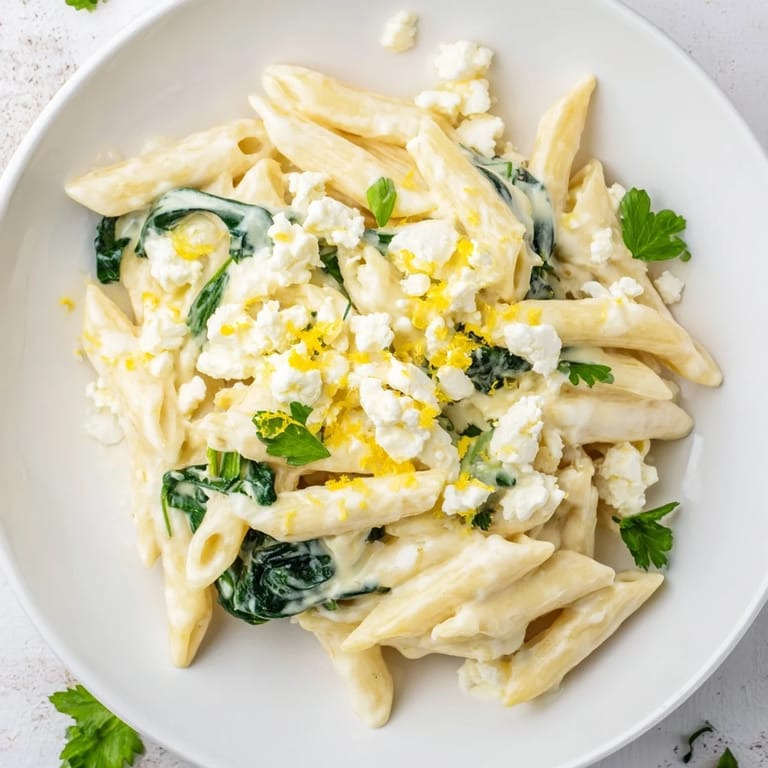
Save I had one of those kitchen epiphanies on a rainy Tuesday when I was too tired to follow any real recipe. Just me, some pasta water, and a block of feta that needed using. What happened in that skillet changed how I think about weeknight dinners forever. The way salty feta melts into starchy water is absolute magic. This is the dish that taught me creamy sauces don't need cream.
My sister came over last month looking exhausted after work. I made this pasta and watched her shoulders actually drop as she took the first bite. Sometimes food is just love on a plate. She asked for the recipe before she even finished her bowl.
Ingredients
- Pasta: Short shapes catch the sauce best but whatever you have works beautifully
- Feta cheese: Buy a block and crumble it yourself for better texture
- Baby spinach: Wilts down to almost nothing so don't be shy with it
- Garlic: Fresh minced is non negotiable here for that aromatic base
- Olive oil: Your flavor foundation so use something decent
- Pasta water: The secret weapon that makes everything come together
- Black pepper and chili flakes: Heat cuts through the rich feta perfectly
Tired of Takeout? 🥡
Get 10 meals you can make faster than delivery arrives. Seriously.
One email. No spam. Unsubscribe anytime.
Instructions
- Get your water working:
- Boil a large pot with plenty of salt and cook pasta until al dente then save that cup of starchy water before draining.
- Build your flavors:
- Heat olive oil in a big skillet and sauté garlic for just one minute until fragrant.
- Wilt the greens:
- Add spinach and stir until it collapses into the oil.
- Bring it together:
- Toss in hot pasta and crumbled feta then add pasta water while tossing vigorously until the feta melts into a glossy sauce.
- Season and serve:
- Add pepper and chili flakes then plate immediately while it's creamy and hot.
 Save
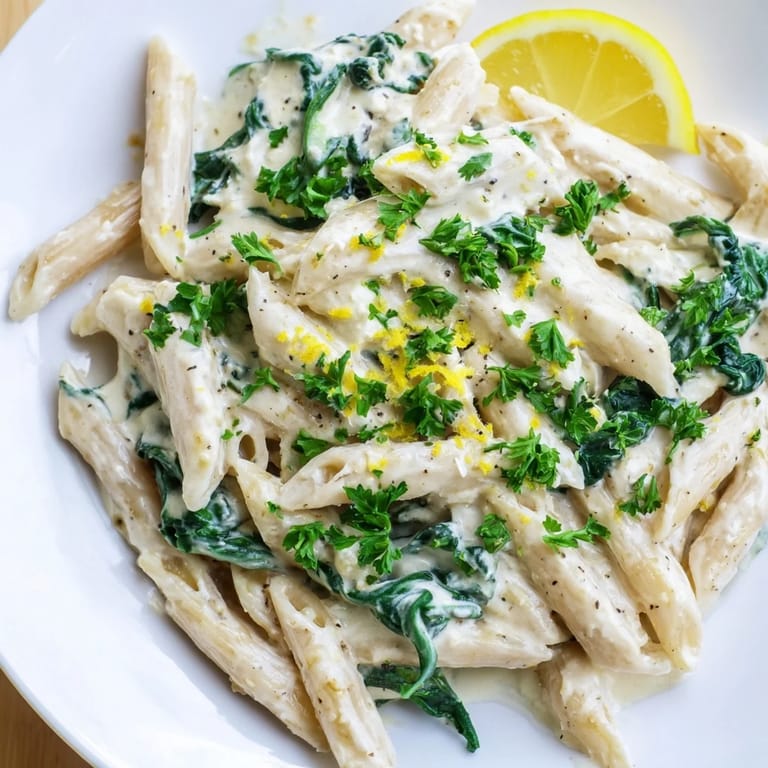
Save This became my go to for friends who say they can't cook. Something about tossing pasta in a skillet makes people feel like they know what they're doing. Plus it looks impressive without any real technique.
Making It Your Own
Arugula brings a peppery kick that cuts through the feta beautifully. I've used kale when that's all I had in the fridge and it worked though it needs an extra minute in the pan.
The Wine Question
A crisp white like Sauvignon Blanc cuts through the richness but honestly I've had this with everything from rosé to beer. The only wrong pairing is something too heavy.
Storage And Leftovers
This sauce doesn't reheat quite the same way since feta can separate when reheated. I recommend making only what you'll eat.
- Best enjoyed fresh and hot from the skillet
- If you must reheat add a splash of water
- The feta gets saltier overnight so taste first
 Save
Save Some nights the simplest food hits the hardest. This pasta proves that clever cooking beats complicated recipes every single time.
Common Recipe Questions
- → Why do you reserve pasta cooking water?
The starchy pasta water helps emulsify the olive oil and feta cheese, creating a naturally creamy sauce without needing heavy cream. The starch acts as a binding agent that coats the pasta evenly.
- → Can I use different pasta shapes?
Yes, any pasta shape works well. Penne, fusilli, or spaghetti are all excellent choices. Tube-shaped and spiral pastas tend to hold the creamy sauce particularly well.
- → What can I substitute for feta cheese?
Goat cheese, ricotta salata, or feta alternatives work nicely. For a different flavor profile, try pecorino Romano or a combination of mozzarella with parmesan.
- → Is this dish suitable for dairy-free diets?
Not in its traditional form due to the feta cheese. However, you can use cashew cream or dairy-free cheese alternatives, though the flavor profile will differ.
- → How do I prevent the sauce from breaking?
Ensure the pasta water is hot when added, and toss vigorously over medium heat rather than high heat. This gentle cooking allows the starch and fat to emulsify properly without the feta separating.
- → Can I make this ahead of time?
Best served immediately while the sauce is creamy and warm. Leftovers can be refrigerated and reheated gently with extra pasta water to restore the sauce consistency.