 Save
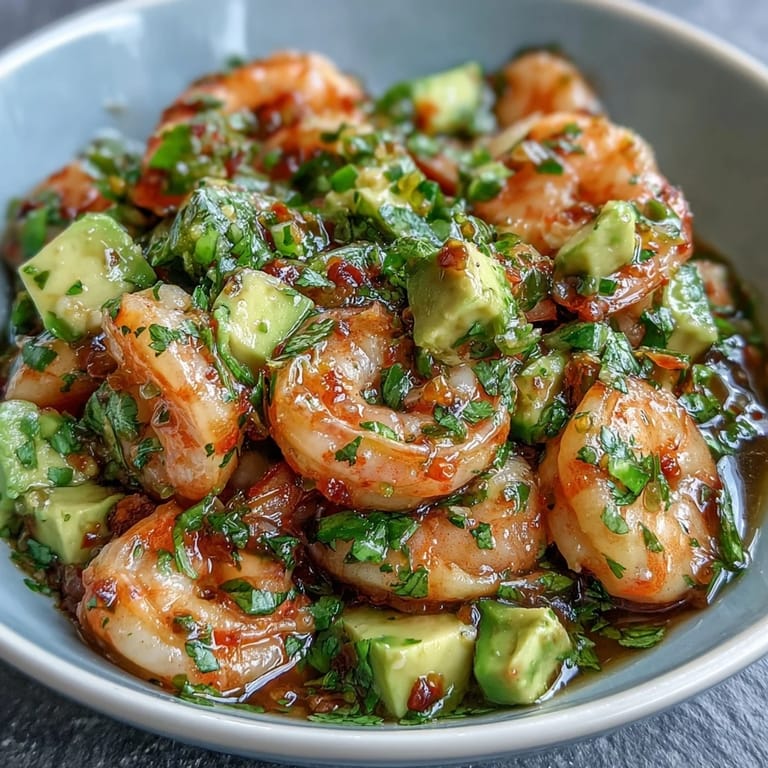
Save The first time I made ceviche, I was standing in a tiny kitchen in Mexico City, watching my friend's abuela work with such casual confidence that I thought I'd imagined the technique. She didn't use heat, didn't fuss, just let the lime juice do its quiet magic on the raw shrimp while she chopped vegetables with a rhythm that felt like a song. When I tasted it, something clicked—how could something so simple taste so alive, so impossibly fresh?
I brought this to a dinner party years ago when everyone was stressed about the summer heat, and watching people's faces light up when they tasted it felt like I'd given them permission to relax. That ceviche became the thing people asked me to make again and again, and I realized it wasn't just about the food—it was about how it made people feel like they were somewhere better than their kitchen.
Ingredients
- Raw shrimp (400 g / 14 oz), peeled, deveined, and cut into 1 cm pieces: The smaller you cut them, the more surface area the lime juice reaches, and trust me, you want that citrus penetration—it's what actually cooks them.
- Freshly squeezed lime juice (120 ml / ½ cup from 4–5 limes): Bottled juice is a shortcut that will betray you; the fresh stuff has this brightness that's essential, and squeezing by hand means you control exactly how much you get.
- Small red onion, finely diced: The sharpness mellows slightly as it sits in the lime, and the color makes the whole thing look more alive on the plate.
- Medium jalapeño or red chilli, seeded and finely chopped: Remove those seeds unless you want genuine heat; I learned this the hard way by making a batch that cleared the room.
- Garlic clove, minced: Just one, crushed fine—too much and it overpowers the delicate sweetness of the shrimp.
- Sea salt (½ tsp): Season thoughtfully here; you can always add more but you can't take it back.
- Ripe avocado, diced: Add this at the very end or it'll oxidize and turn brown, which tastes fine but looks sad.
- Medium tomatoes, seeded and diced: Seeding them removes that excess liquid that would water everything down and dilute the flavors you've worked to build.
- Small cucumber, peeled, seeded, and diced: The seeds hold moisture too, so don't skip that step even though it feels fussy.
- Fresh cilantro (3 tbsp), finely chopped: Add this last thing or it bruises and turns dark; you want those bright green flecks visible when you serve it.
- Lime wedges and tortilla chips or tostadas for serving: These aren't optional extras—they're structural, giving you something to scoop with and a textural contrast that makes every bite better.
Tired of Takeout? 🥡
Get 10 meals you can make faster than delivery arrives. Seriously.
One email. No spam. Unsubscribe anytime.
Instructions
- Cure the shrimp in citrus:
- Pour that lime juice over the cut shrimp in a glass or ceramic bowl—never metal, which can react with the acid—and stir so everything gets coated evenly. Cover it, slide it into the fridge, and give it a gentle stir halfway through those 30 minutes, watching how the shrimp gradually turns from translucent gray to opaque white as the acid denatures the proteins.
- Layer in the aromatics:
- Once the shrimp has that cooked look, add the red onion, jalapeño, minced garlic, and salt, stirring gently to combine. Let it sit for five more minutes so the flavors start getting acquainted.
- Fold in the delicate elements:
- Now comes the part where you be gentle—add the avocado, tomatoes, cucumber, and cilantro, folding rather than stirring so you don't crush the avocado into a sad paste. Taste it, and adjust the salt or add more chilli if it needs it.
- Serve it cold:
- Dish it into bowls or small glasses and garnish with those lime wedges, with tortilla chips on the side for scooping. Everything should still be chilled, so serve it immediately while it's got that crisp, fresh snap.
 Save
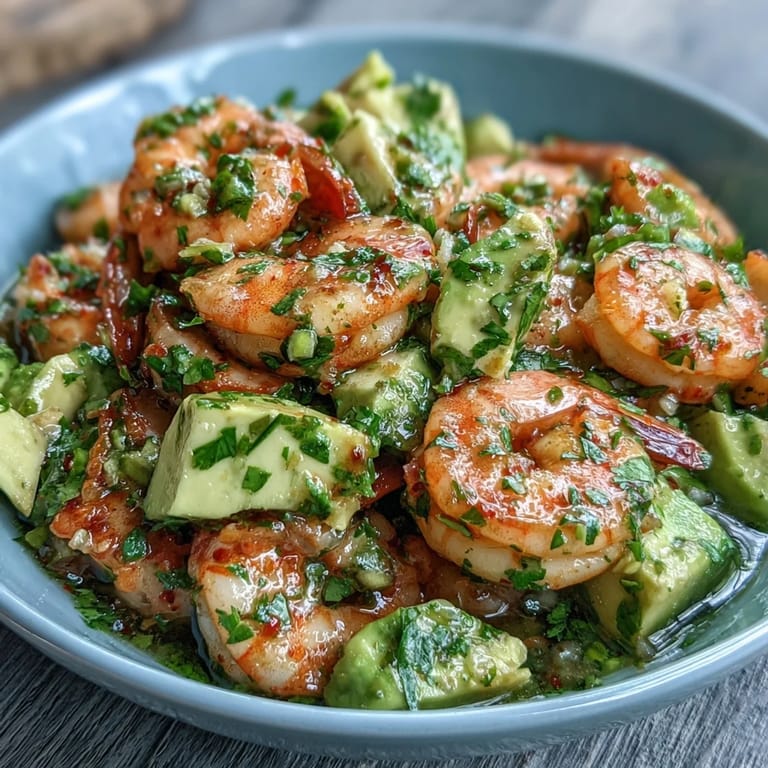
Save There's something almost meditative about the moment when you taste ceviche for the first time and realize you've just eaten something that was never cooked over flame or heat, yet somehow completely transformed. It became the dish I made when I wanted to feel like I was traveling without leaving my kitchen, and it never failed to transport whoever was eating it.
Building Layers of Flavor
The genius of ceviche is that every single component matters and stays distinct—you taste the lime, then the chilli heat arrives, then the creaminess of avocado mellows it all out, and suddenly the cilantro brings everything back into focus. I used to make it with all the ingredients thrown in at once and wondered why it tasted flat; then I learned that timing the additions means each flavor gets its moment to shine. The red onion goes in while the shrimp is still absorbing lime juice, so it softens slightly; the delicate herbs go in last so they stay bright and alive.
The Texture Game
What makes this dish crave-worthy is that you're getting softness and crunch in every single bite—the tender shrimp, the yielding avocado, the crisp vegetables, and those tortilla chips providing this satisfying snap. I've learned that seeding the tomatoes and cucumber isn't just fussy food blogger talk; it's the difference between a dish that holds together and one that becomes a watery puddle. The texture is half the experience, and it's worth taking thirty seconds to remove those seeds.
Serving and Storage Wisdom
Ceviche is one of those rare dishes that's better eaten the day you make it, when everything is at peak freshness and the flavors haven't started blending into one another. I learned to serve it immediately after assembly because even an hour in the fridge will make the shrimp continue to firm up and the avocado will start turning brown. Think of it as a moment-to-moment dish—something you make for right now, not for leftovers.
- Squeeze that lime juice fresh; bottled is never the same and will show in the final taste.
- Taste as you go and adjust the heat level to your preference, keeping in mind that chilli flavors intensify as everything sits together.
- If you're feeding guests who are nervous about raw seafood, remind them that the lime juice actually cooks the shrimp through acid, making it completely safe.
 Save
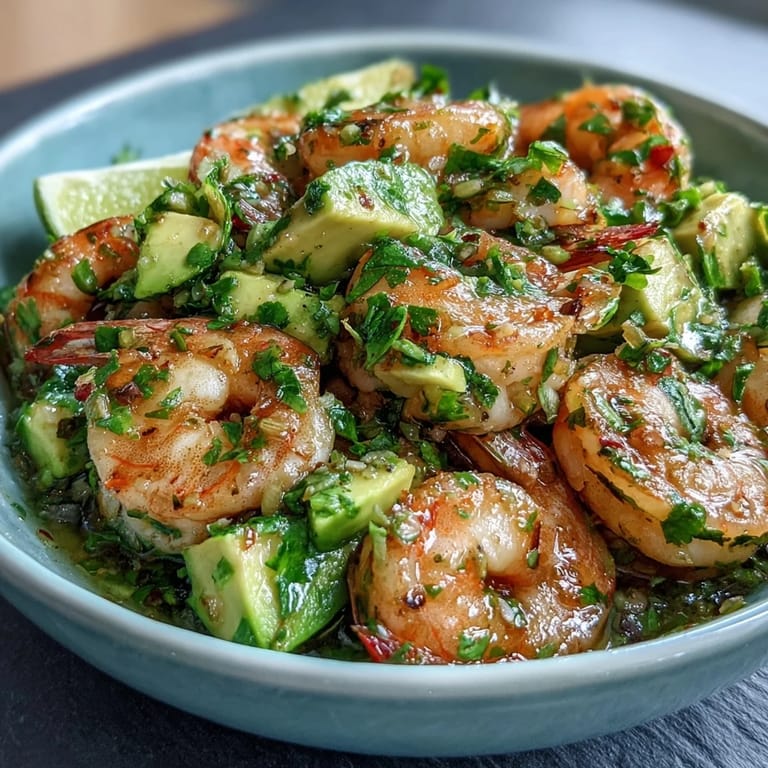
Save This ceviche taught me that sometimes the best food comes not from complicated techniques but from respecting good ingredients and giving them room to speak. It's become the dish I reach for when I want to feel connected to somewhere warmer, somewhere with ocean breeze and good company.
Common Recipe Questions
- → How long should shrimp marinate in lime juice?
Marinate shrimp for about 30 minutes until they turn opaque, indicating they are ready to serve.
- → Can I adjust the spiciness level?
Yes, you can add more or less chilli depending on your preferred heat intensity.
- → What’s the best way to serve this chilled dish?
Serve on its own or with tortilla chips or tostadas for a complementary crunch.
- → Is it necessary to peel and devein the shrimp?
Yes, peeling and deveining ensures a cleaner texture and flavor.
- → Can other citrus be used besides lime?
Substituting part of the lime juice with lemon adds a different citrus nuance without overpowering the dish.