 Save
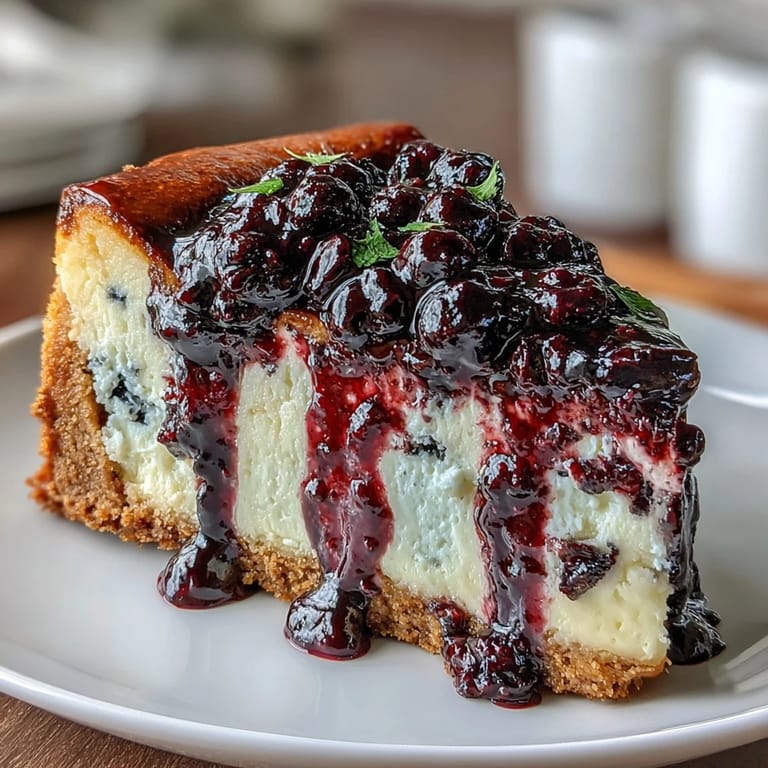
Save Black currant cheesecake arrived in my kitchen on a grey afternoon when I was determined to stop buying desserts from the patisserie down the street. I'd tasted one there weeks before—that peculiar tartness cutting through the cream like a small revelation—and couldn't shake the memory. So I started mixing and baking, learning by accident that the compote needs to cool completely before swirling, and that patience during the water bath makes all the difference.
I made this for a dinner party last spring when someone mentioned they'd never had black currants before, and watching their face when they tasted that first bite—that moment when tart and sweet clicked into place—reminded me why I bake at all. Three people asked for the recipe before dessert was even finished.
Ingredients
- Digestive biscuits or graham crackers (200 g, crushed): The foundation that tastes buttery and feels substantial; I learned to crush mine in a food processor rather than a bag, which gives more even texture and saves frustrated hammering.
- Unsalted butter, melted (80 g): This binds everything together into a proper crust that holds its shape; using room temperature butter means it mixes evenly without any dry patches.
- Granulated sugar (2 tbsp for crust): A small amount adds brightness to what would otherwise taste one-note.
- Black currants, fresh or frozen (250 g): The star here—frozen works beautifully and honestly tastes just as good, so don't stress if you can't find fresh ones.
- Granulated sugar (70 g for compote): Balances the berry tartness; I reduce it by 10 grams if using sweeter berries.
- Lemon juice (1 tbsp): Brightens and deepens the currant flavor in a way that feels almost invisible but would be desperately missed if omitted.
- Cornstarch slurry (1 tsp cornstarch mixed with 1 tbsp water): Creates the right consistency for swirling—too thin and it sinks straight through, too thick and it won't blend.
- Cream cheese, room temperature (700 g): Room temperature is non-negotiable because cold cream cheese creates lumps that no amount of beating will fully smooth out.
- Granulated sugar (200 g for filling): Sweetens without graininess only if beaten long enough with the cream cheese.
- Large eggs, room temperature (3): Cold eggs cause the filling to break; I set mine on the counter while I'm measuring everything else.
- Sour cream (180 ml): Adds tanginess that complements the black currant perfectly and keeps the texture creamy rather than dense.
- All-purpose flour (1 tbsp): Prevents cracking by stabilizing the structure; don't skip it even though it seems tiny.
- Pure vanilla extract (2 tsp): Use the real stuff—imitation tastes harsh against the delicate currant notes.
- Lemon zest (from 1 lemon): Adds complexity and echo to the lemon juice already in the compote.
- Salt (pinch): Amplifies everything else without announcing itself.
Tired of Takeout? 🥡
Get 10 meals you can make faster than delivery arrives. Seriously.
One email. No spam. Unsubscribe anytime.
Instructions
- Prepare your pan and preheat:
- Set the oven to 160°C (320°F) and line your springform pan with parchment paper—this catches any water seepage and keeps cleanup manageable. Having everything ready before you start mixing means you're not rushing.
- Make the crust:
- Combine your crushed biscuits, melted butter, sugar, and salt in a bowl, then press it firmly into the pan bottom. The key here is using your fingers or the bottom of a measuring cup to create an even, compacted layer, then bake for 10 minutes until it starts to smell toasty and set it aside to cool.
- Cook the black currant compote:
- In a small saucepan over medium heat, combine the berries, sugar, and lemon juice—they'll start releasing juice almost immediately and fill your kitchen with a gorgeous deep purple smell. Once they've softened (about 5 minutes), stir in your cornstarch mixture and let it bubble for another minute or two until thickened, then transfer to a bowl to cool completely; warm compote will sink straight through the filling and you'll lose your swirl.
- Mix the cheesecake filling:
- Beat the room-temperature cream cheese and sugar together for a good 3 minutes until completely smooth and pale—this step matters more than it seems because it incorporates air that prevents dense cake. Add eggs one at a time, waiting until each is fully beaten in before adding the next, then fold in the sour cream, flour, vanilla, lemon zest, and salt with just a few final gentle strokes to combine.
- Assemble and swirl:
- Pour the filling over your cooled crust, then dollop small spoonfuls of the cooled compote over the surface. Using a skewer or thin knife, drag it gently through the compote in a few directions to create that beautiful marbled effect, but resist the urge to overwork it or you'll muddy the colors.
- Bake with a water bath:
- Place your springform pan inside a larger roasting tin and pour hot water into the tin until it reaches halfway up the sides of the cake pan—this gentle, moist heat prevents cracks and ensures even cooking. Bake for 50 to 60 minutes until the edges are set but the center still jiggle slightly when you gently shake the pan.
- Cool slowly and chill:
- This is where patience pays off: turn off the oven, crack the door open, and let the cake sit inside for a full hour while the oven cools gradually—this slow temperature drop prevents the dramatic cracking that happens when you shock it with cold air. After that, let it cool to room temperature at the kitchen counter, then cover and refrigerate for at least 4 hours or ideally overnight before slicing.
 Save
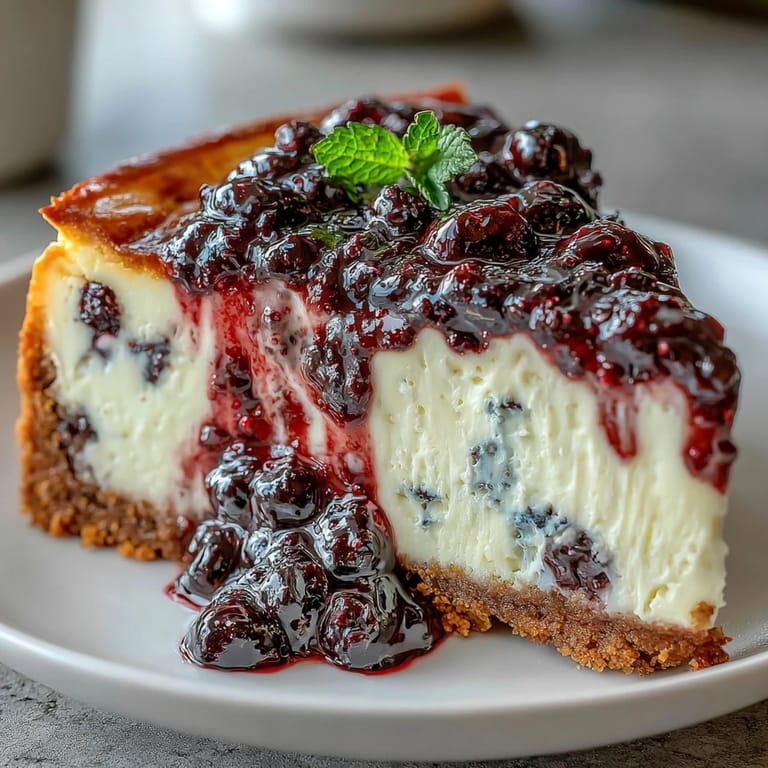
Save There's something almost ceremonial about pulling this cake from the fridge after hours of waiting, running a warm knife around the edges and releasing it onto a plate. The slight give when you cut into it, that moment when you see the swirled purple throughout the cream, feels like a small victory every single time.
The Water Bath Mystery Explained
I spent my first year of cheesecake making avoiding water baths because they seemed unnecessarily complicated, until one afternoon it clicked: that gentle steam keeps the top from drying out and cooking faster than the inside, which is exactly what causes cracks. It's not fussy, it's actually the easier route to a perfect cake, and once you've done it once, it becomes automatic.
Choosing Your Black Currants
Fresh black currants show up in markets for maybe four weeks a year, so most of the time I'm using frozen ones from the supermarket, which honestly perform just as well and sometimes taste more intense because they've been frozen at peak ripeness. If you absolutely cannot find black currants, raspberries or blueberries will work in a pinch, though the flavor profile shifts from tart-sophisticated to fruit-forward and sweet.
Serving and Storage Wisdom
This cake actually tastes better the next day once the flavors have had time to settle and marry together, which makes it ideal for dinner parties since you can make it completely in advance and just slice it fresh. Store it covered in the refrigerator for up to five days, and if you're feeling fancy, serve each slice with a dollop of whipped cream or a spoonful of the extra compote alongside.
- Bring the cake to room temperature for 15 minutes before slicing for the cleanest cuts with a warm, damp knife.
- Freezing individual slices wrapped tightly in plastic wrap works beautifully if you want to save some for later.
- The compote can be made up to three days ahead and stored in a covered container in the fridge.
 Save
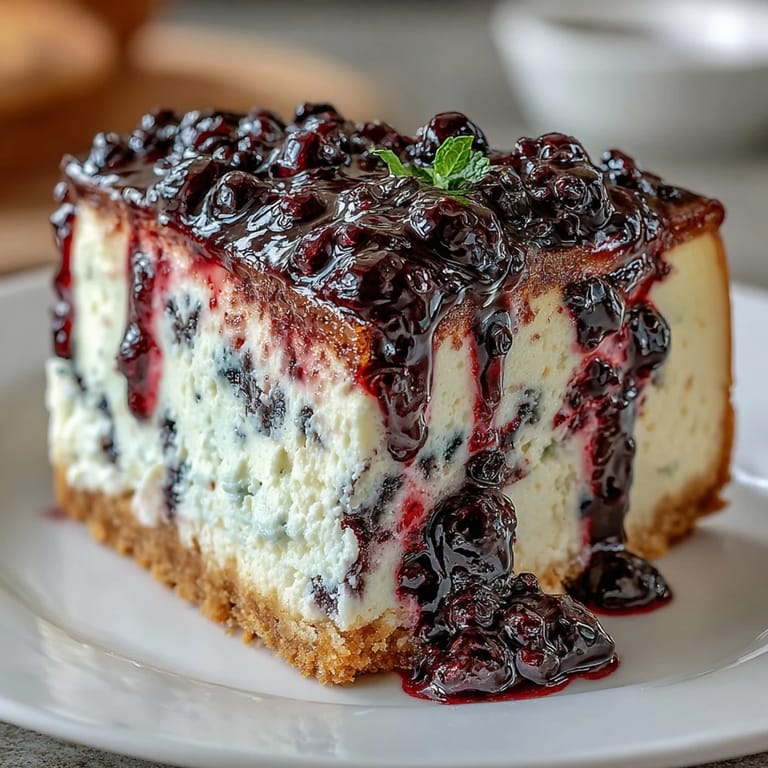
Save This cheesecake teaches you that good desserts aren't about showiness—they're about balance, patience, and knowing when to stop fussing. Once you've made it, you'll understand why it's worth the wait.
Common Recipe Questions
- → How do I make a smooth cheesecake filling?
Beat cream cheese with sugar until smooth before adding eggs one at a time. Avoid overmixing once flour and flavorings are combined to maintain creaminess.
- → What is the purpose of the water bath during baking?
The water bath gently regulates heat, helping to cook the cheesecake evenly and preventing cracks on the surface for a silky texture.
- → Can I substitute black currants with other fruits?
Yes, blueberries or raspberries can be used as alternatives to create a similarly tangy and sweet compote swirl.
- → How long should the cheesecake chill before serving?
Chilling for at least 4 hours or preferably overnight allows the flavors to meld and the texture to set properly.
- → What type of crust works best for this dessert?
A crushed digestive biscuit or graham cracker crust provides a buttery, firm base. Gluten-free options can be used if needed.